
Video showing students and faculty in the Materials Science and Engineering department engaged in research, lab work, and classroom activities.
Home of UT
Materials Science and
Engineering
Core Faculty
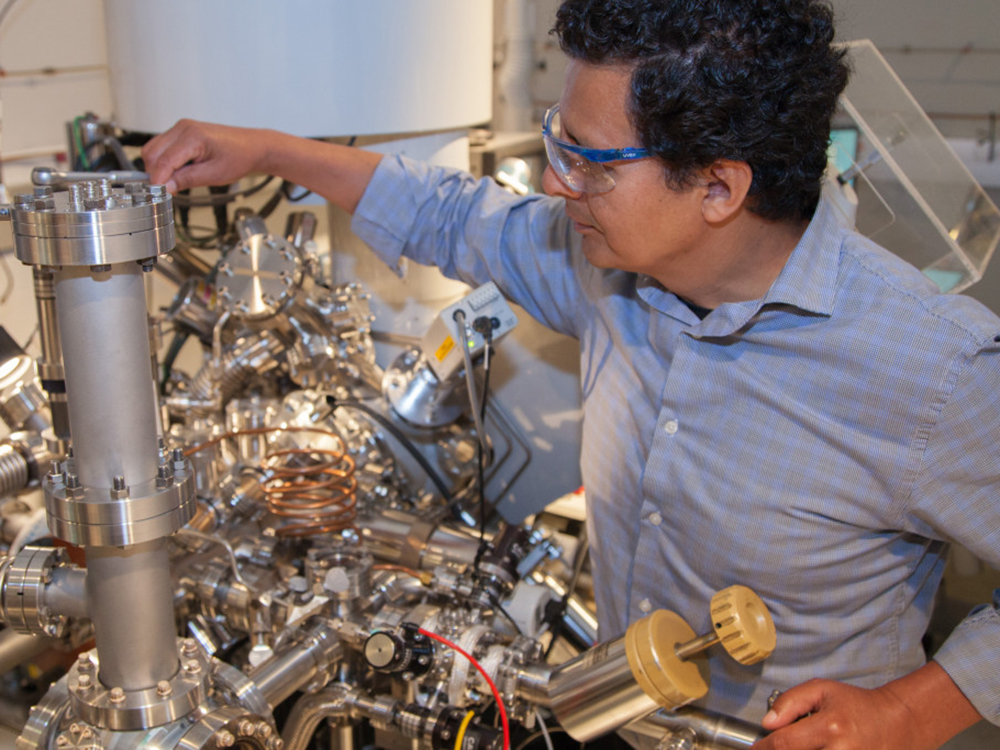
TMI's core faculty lead cutting-edge research by running their grants through the institute, fostering collaboration and resource sharing.
Learn More
Graduate Program
Our Materials Science and Engineering program is one of the best in the nation, and our graduates go on to be leaders in their fields.
Learn More
Research
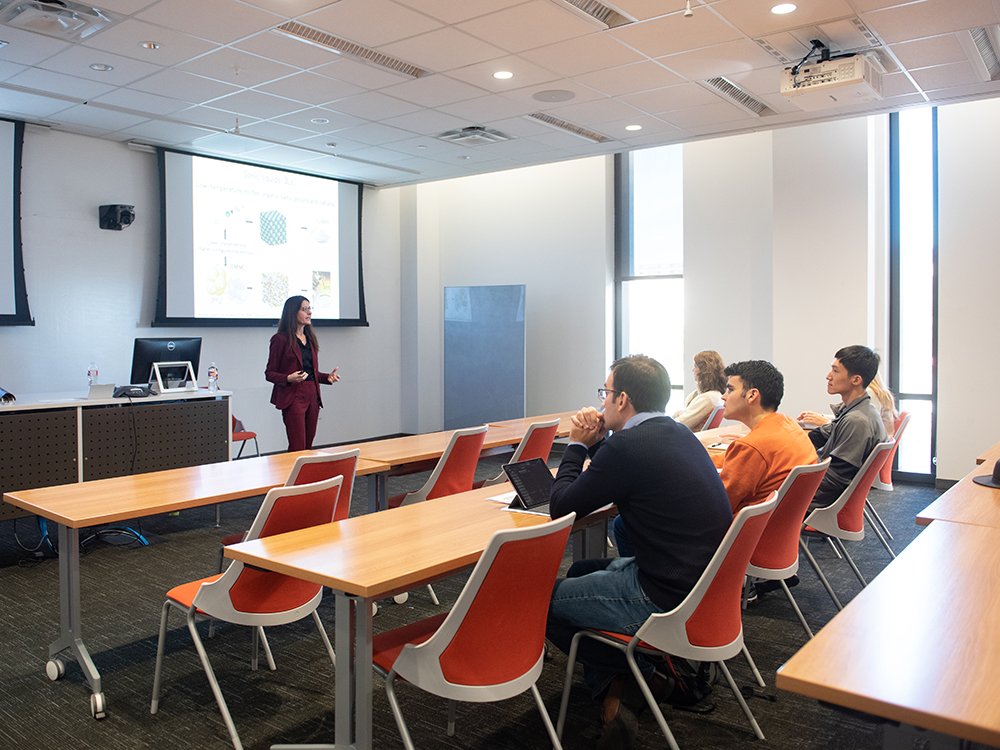
TMI supports interdisciplinary research at UT Austin, with over 100 faculty focusing on clean energy, nanotechnology, and advanced materials using our state-of-the-art facilities.
Learn More
Home
JEOL NEOARM Low kV STEM Corrected
Instrument Capabilities
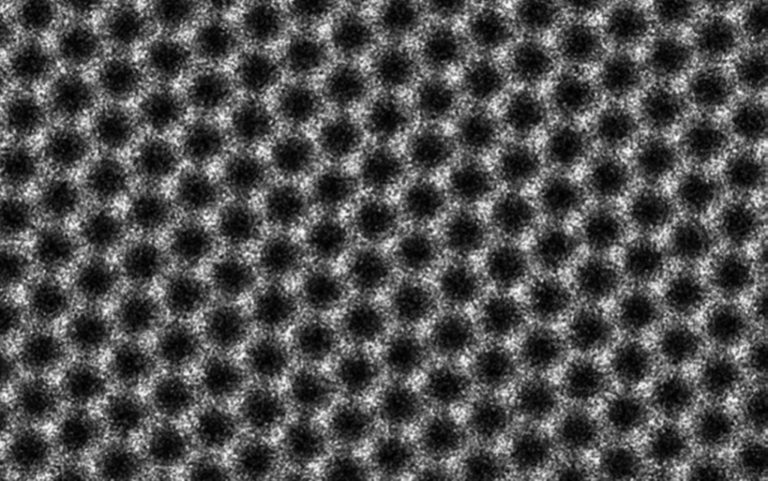
The JEOL NEOARM is a probe-corrected transmission electron microscope with aberration correction from 30 kV to 200 kV.
Key Features
- Atomic-level imaging at 30 kV, 80 kV and 200 kV in STEM
- Atomic-level elemental mapping (EDXS and EELS)
- Electric binding state and plasmon mapping (EELS)
- Energy filtered imaging
- In situ liquid cell, heating and biasing
- Auto tune for fast alignment
Specifications
- Imaging Modes: TEM/STEM
- Voltage: 30 kV to 200 kV
- STEM resolution: 0.0783 nm (200 kV)/ 0.1108 nm (80 kV)/ 0.1920 nm (30 kV)
- Energy resolution: sub 0.3 eV
- Point to Point Resolution TEM: 0.023 nm (200 kV)
- Source: Cold Field Emission
- Tilt Range: 80° (with high tilt holder)
- Lorentz lens
Attachments/Accessories
- Hybrid high angle annular dark field detector
- Annular bright field detector
- Gatan OneView Camera with IS video software (up to 300 fps)
- JEOL large angle silicon drift EDS detector (0.96 sr)
- Gatan Quantum energy filter with DualEELS
- Protochips Fusion Heating/Biasing Holder and Poseidon Liquid Cell
- High tilt holder
- Double-Tilt Holder
Fees and Policies
- UT Users: $130/hour
- Higher Education/State Agencies: $283/hour
- Corporate/External Users: $283/hour
Traning
Users should register for the required in-person training course through UTLearn.
TMI: TEM mode imaging on the JEOL NEOARM aberration-corrected TEM
TMI: XEDS/EELS Analysis on the JEOL NEOARM aberration corrected TEM
TMI: STEM mode imaging on the JEOL NEOARM aberration-corrected TEM
Kratos X-ray Photoelectron Spectrometer - Axis Ultra DLD
Instrument Capabilities
The Kratos XPS system is a multi-technique surface analysis platform that combines photoelectron and ion spectroscopies with surface-mapping capabilities. It is primarily used to determine the elemental composition and chemical state of material surfaces, providing detailed information about surface chemistry and electronic structure.
Available Techniques:
- X-ray Photoelectron Spectroscopy (XPS): Provides information on the elemental composition, chemical states, and chemical bonding of materials.
- Ultraviolet Photoelectron Spectroscopy (UPS): Provides information on valence-band electronic structure and work function measurements.
- Low-Energy Ion Scattering Spectroscopy (ISS): Provides information on the elemental composition and near-surface structure of solid surfaces.
Key features
- Detected signal: Photoelectrons emitted from atoms within the near-surface region
- Elemental range: Elements from lithium (Li) to heavy metals
- Detection limits: Approximately 0.1–1 atomic %
- Depth resolution: Approximately 2–8 nm
- Depth profiling: Approximately 0.5 nm/s using an argon-ion beam
- Lateral resolution: Approximately 15–500 µm.
Fees and Policies
- UT Users: $20/hour
- Higher Education/State Agencies: $91/hour
- Corporate/External Users: $91/hour
Traning
Please contact
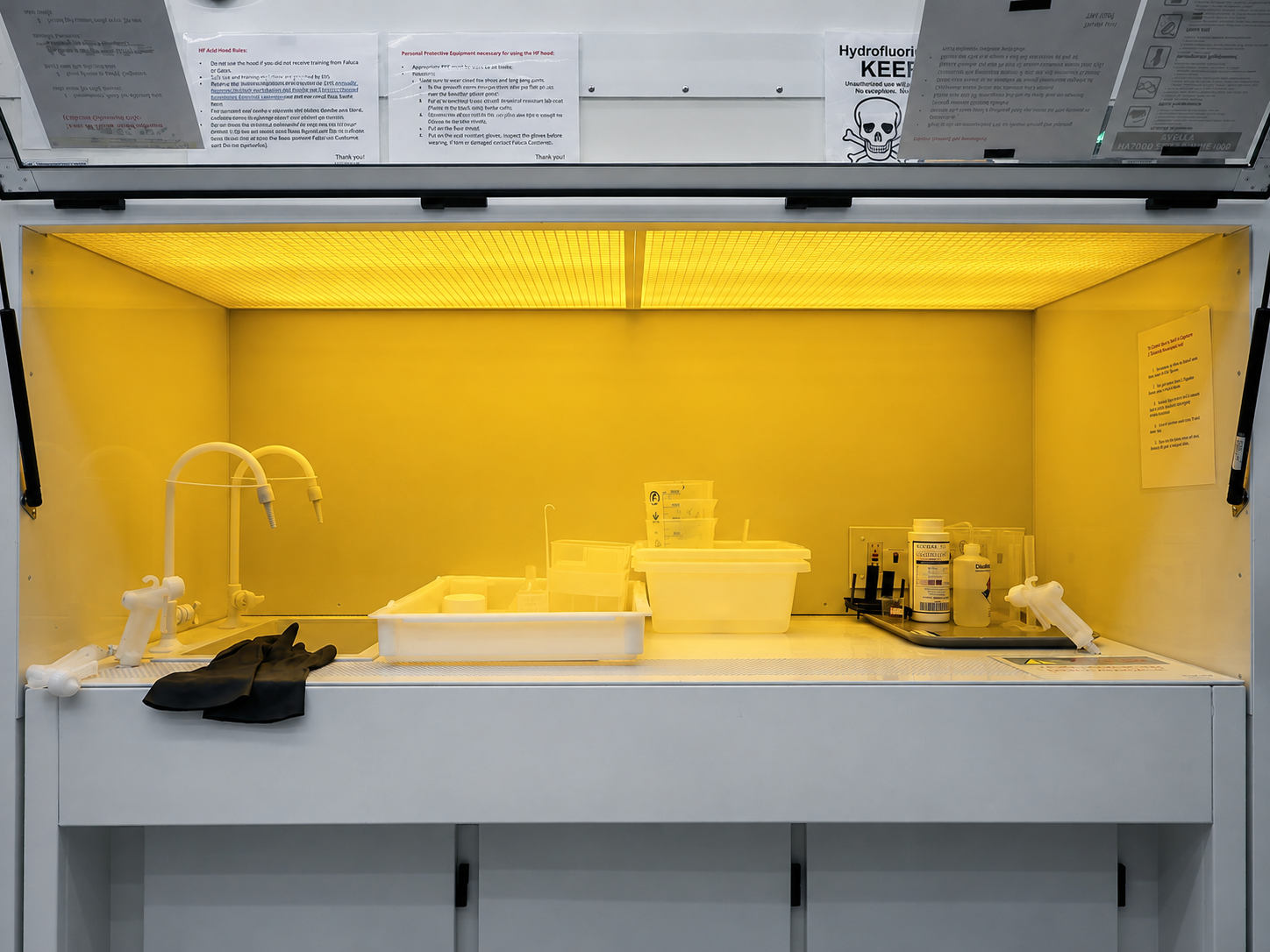
HF Hood
HF Hood Use Requirements:
This hood is dedicated exclusively to hydrofluoric acid (HF)-based processes. Users may operate the hood only after completing the required training.
General Requirement
-
- Users are required to work in pairs when using the HF hood.
- HF hood use is permitted only between 8:00 AM and 5:00 PM Monday - Friday.
- Although there is no fee for using the HF hood, users must:
- Reserve the hood through FBS before use.
- Start the FBS timer when beginning their work.
The following chemical is approved for use in the TMI cleanroom HF hood:
- Buffered Oxide Etchant (BOE) from Transene, a mixture of ammonium hydrogen difluoride, hydrofluoric acid, and water.
Use of any other HF-containing chemical, mixture, or formulation requires prior approval from the facility manager.
Fees and Policies
Only the cleanroom entry fee will be charged.
- UT Users $6
- Higher Education/State Agencies: $10
- Corporate/External Users: $10
Traning
Please contact Dr. Raluca Gearba and/or James Smitherman to schedule a training session.
Rigaku Miniflex 600 Diffractometer I
Instrument Capabilities
The MiniFlex 600 is a fast, powerful, compact benchtop x-ray diffraction system. Its capabilities include identification of crystalline phases, crystallinity, crystallite size, crystal structure determination. The system is equipped with the Rigaku air-tight holder. Zero-background sample holders available.
Fees and Policies
- UT Users: $7/hour
- Higher Education/State Agencies: $45/hour
- Corporate/External Users: $45/hour
Traning
Users should register for the required in-person training course through UTLearn .
Page 1 of 54
Texas Materials Seminar Series
The Texas Materials Seminar Series features MSE 397 Seminars, TMI Distinguished Lectureships, and TMI Special Seminars, where leading faculty and professionals from around the world share cutting-edge innovations and advancements in materials engineering with our students.
Learn More
$12M+
In Grant Funding
20+
Research Patents
10K+
Sq. Ft. of Research Labs
News
Zhantao Chen Publishes New Article on AI-assisted Tool
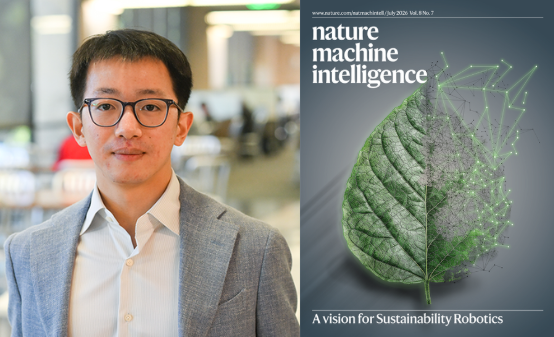
Zhantao Chen, an Assistant Professor in Mechanical Engineering and a TMI-affiliate, has published an article on an AI tool in Nature Machine Intelligence. The article used AI to help researchers in ways that would assist in experimental tasks that are often labor-intensive and tiresome.
Terry Zheng & Yu Group Publish New Work on Water-Based Electrolytes
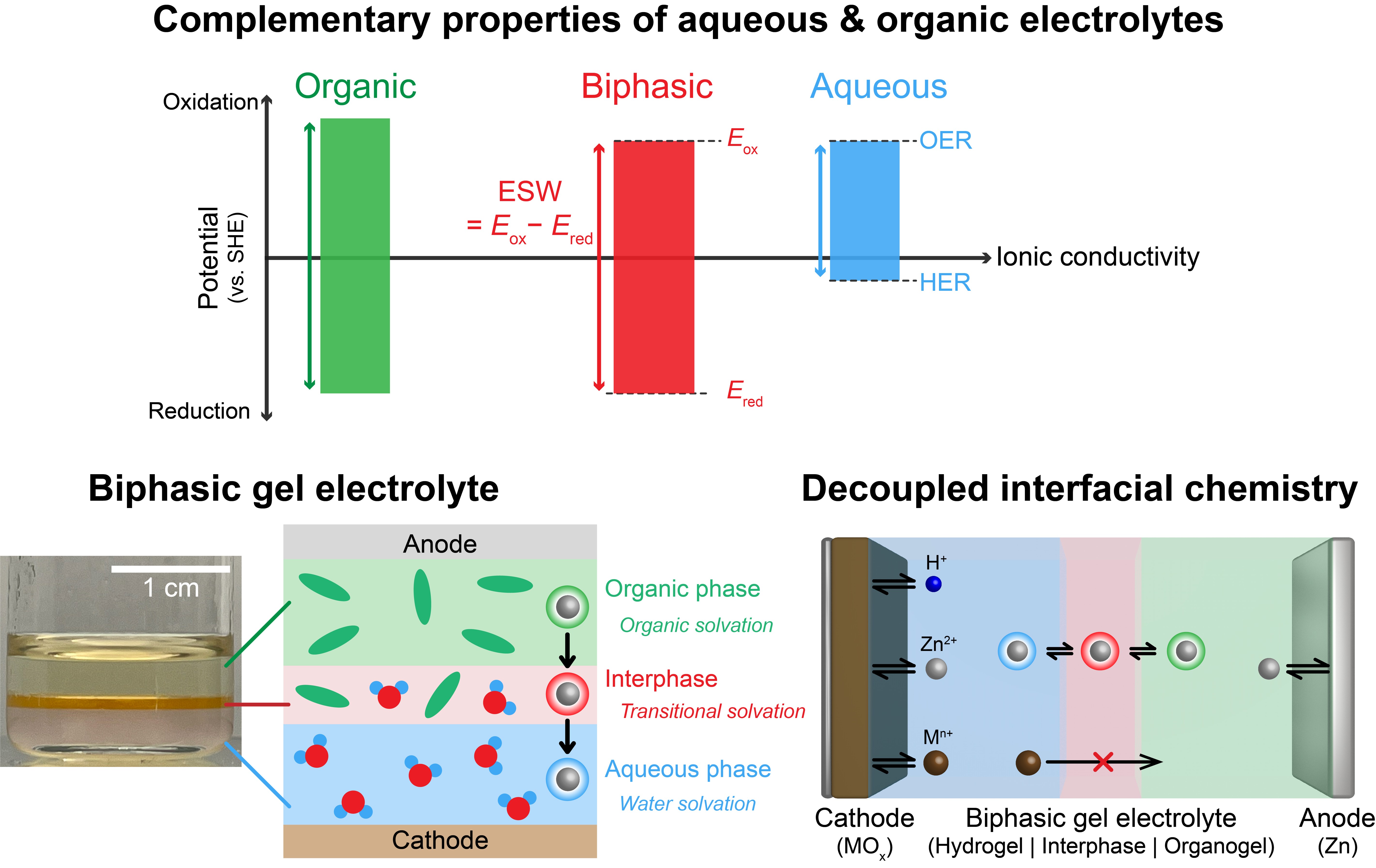
Materials Science and Engineering graduate student Tianrui (Terry) Zheng, under the supervision of Dr. Guihua Yu has published research in Advanced Materials introducing a biphasic electrolyte architecture that combines the strengths of water-based (aqueous) and organic-based electrolytes for long-duration, high-rate zinc metal batteries.
Get Better Sleep With Ultrasound Patch That Boosts REM Rest
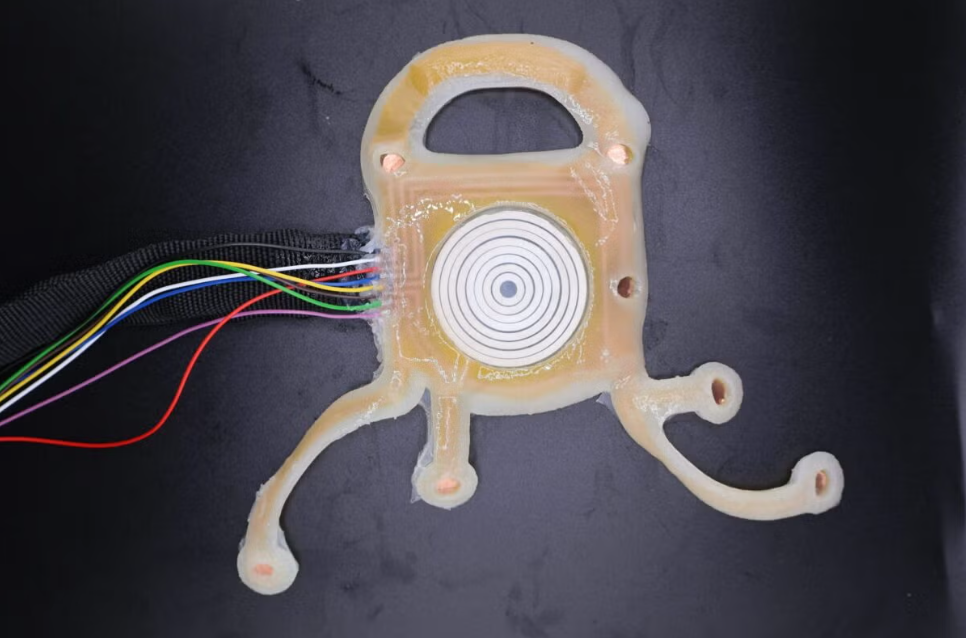
A wearable bioelectronic device increased REM sleep in real-world trials, without invasive surgery or medication.
Published by UT News.
Yuebing Zheng Awarded 'New Directions' Seed Funding from UT OVPR

Yuebing Zheng was awarded seed funding through the University's Office of the Vice President for Research, Scholarship and Creative Endeavors. The 'New Directions in Research' grants are one time payments that give faculty an opportunity to obtain proof-of-concept or pilot data for future, larger grants.
Terry Zheng Awarded UT Chevron Energy Graduate Fellowship
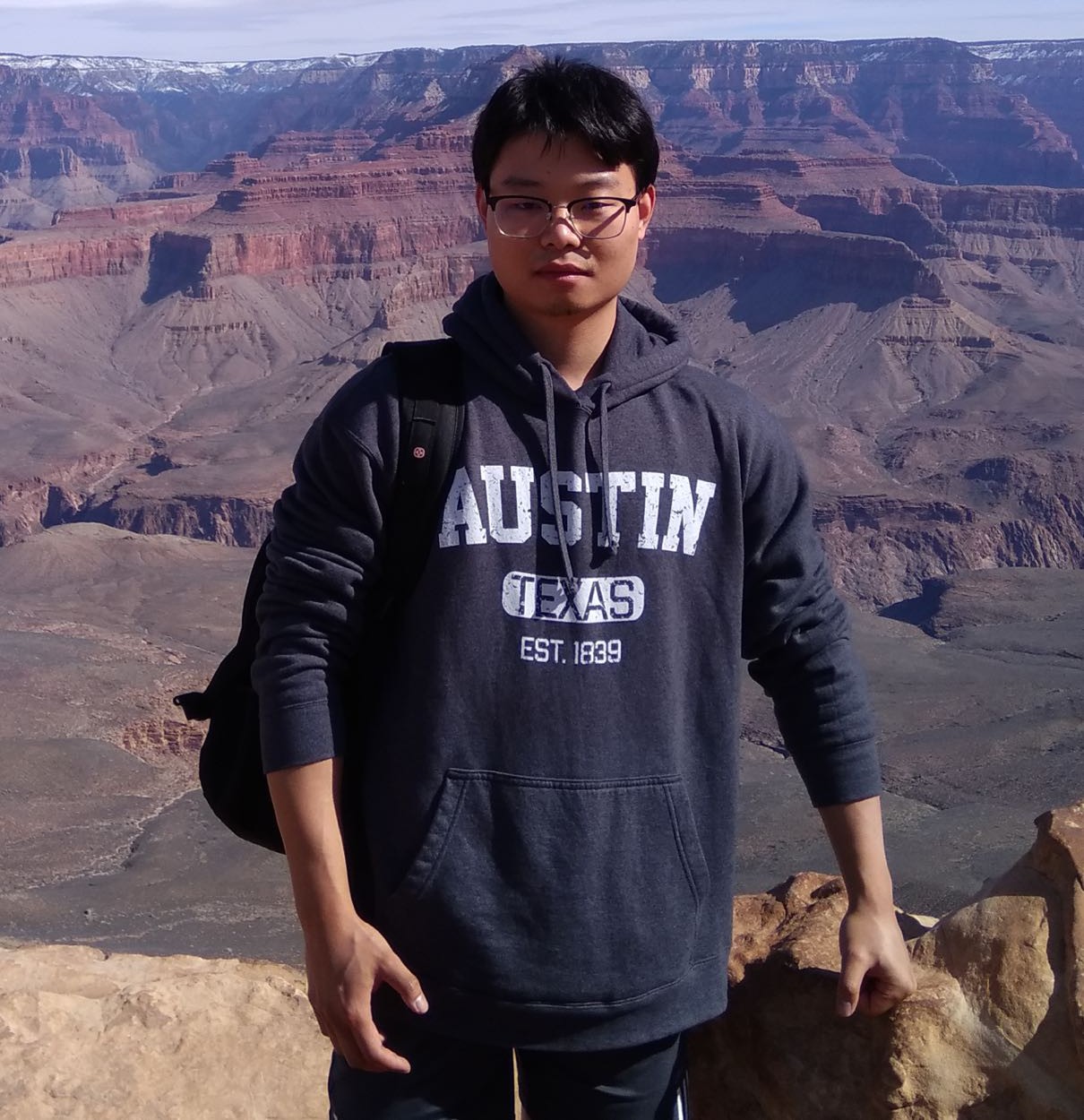
Tianrui (Terry) Zheng, a Materials Science & Engineering graduate student working with Dr. Guihua Yu, is a recipient of the 2026-2027 UT Chevron Energy Graduate Fellows Award from UT's Energy Institute.
