
Video showing students and faculty in the Materials Science and Engineering department engaged in research, lab work, and classroom activities.
Home of UT
Materials Science and
Engineering
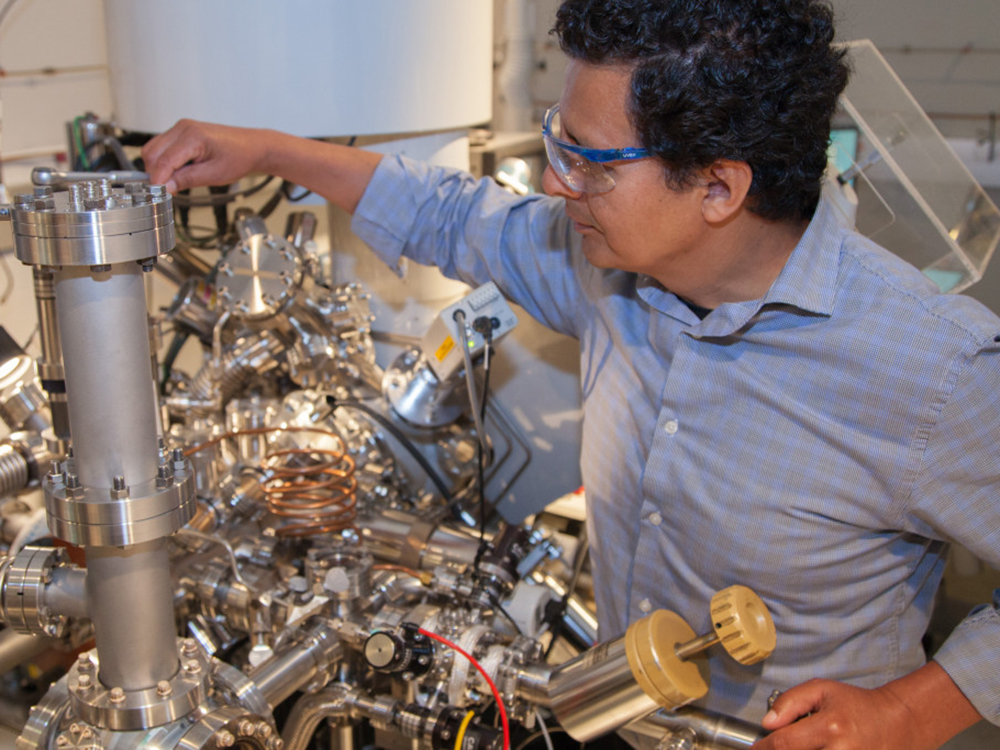
Core Faculty
TMI's core faculty lead cutting-edge research by running their grants through the institute, fostering collaboration and resource sharing.
Learn More
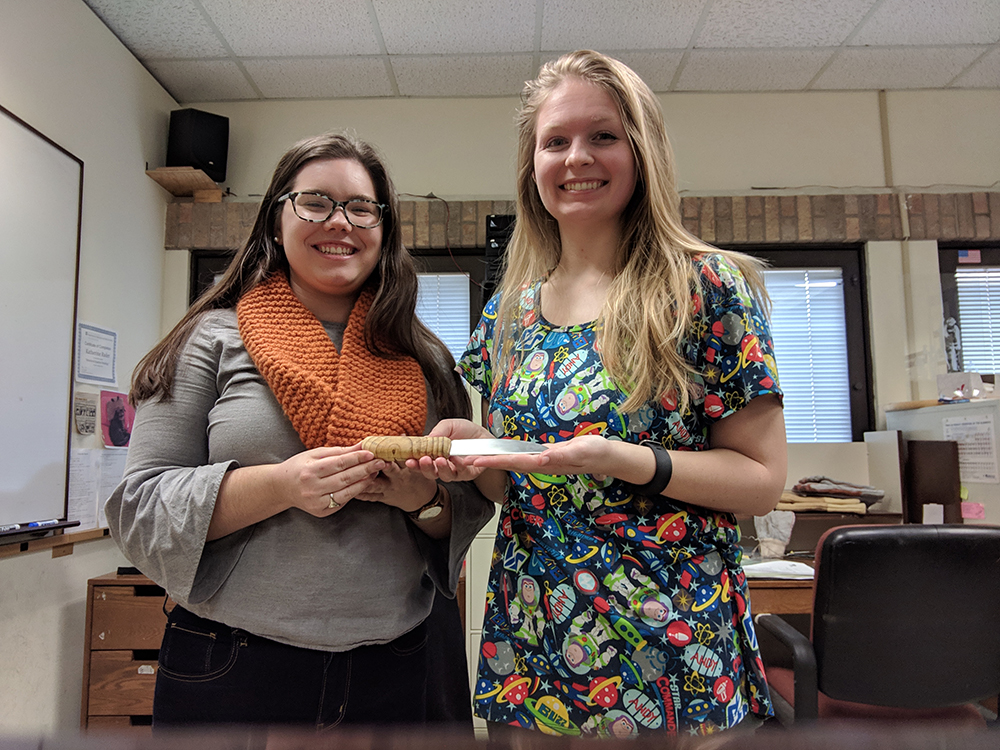
Graduate Program
Our Materials Science and Engineering program is one of the best in the nation, and our graduates go on to be leaders in their fields.
Learn More
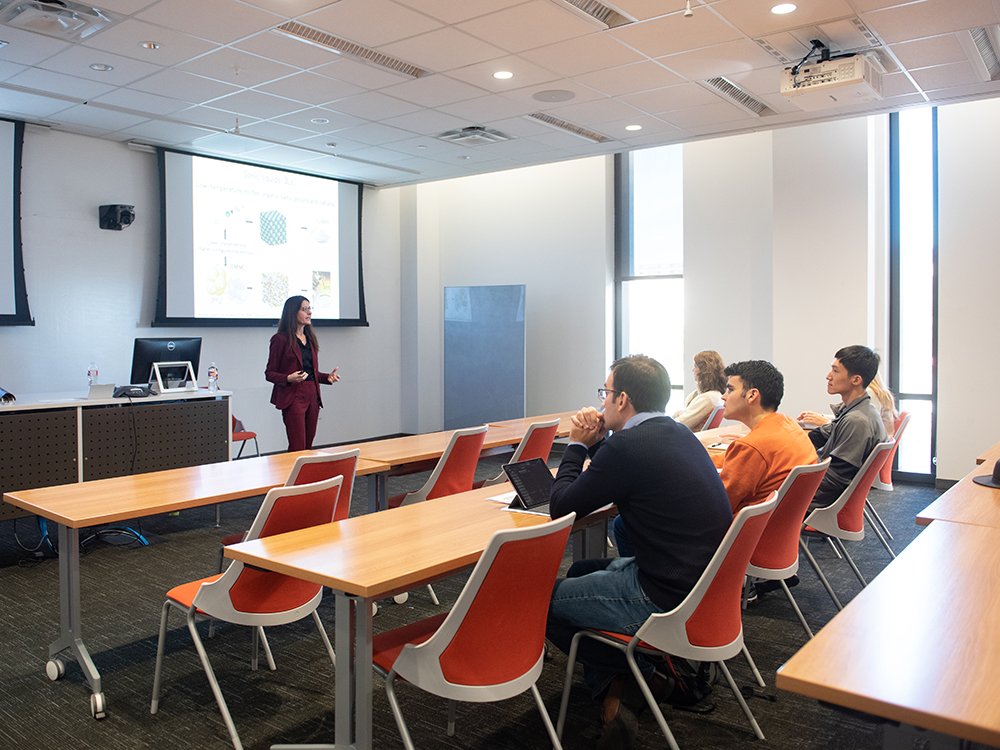
Research
TMI supports interdisciplinary research at UT Austin, with over 100 faculty focusing on clean energy, nanotechnology, and advanced materials using our state-of-the-art facilities.
Learn More
Home
Bruker Invernio R FTIR
Instrument Capabilities
The Bruker INVENIO-R is a research-grade Fourier Transform Infrared (FTIR) spectrometer for chemical and materials characterization. The system provides broad spectral coverage from the near-infrared through the mid- and far-infrared regions and is equipped with multiple detector options, including DTGS and a liquid-nitrogen-cooled MCT detector. It supports transmission, reflectance, and accessory-based measurements for materials including polymers, thin films, coatings, composites, and other organic and inorganic materials. Rapid-scan capabilities enable time-resolved measurements, while external triggering and macro-development capabilities support integration with automated and electrochemical experiments. The system also includes OPUS and OPUS/3D software for spectral acquisition, analysis, and visualization. The system is currently designed to also operate inside a glovebox which makes it ideal for studying air-sensitive samples.
Key features:
- Mid-IR: approximately 11,000–380 cm⁻¹ with the KBr broadband beamsplitter.
- Far-IR (FIR): 680–30 cm⁻¹ using the multilayer beamsplitter and FIR detector configuration
- Spectral resolution <0.16 cm⁻¹
- Available detectors:
- DTGS board detector,
- Liquid-nitrogen-cooled MCT detector, covering 12,000–600 cm⁻¹, providing high sensitivity for appropriate measurements
- Rapid-scan capability: more than 70 spectra/second at 16 cm⁻¹ resolution, with scanning speeds up to 160 kHz.
- External experiment triggering: four digital inputs and four digital outputs for rapid-scan and step-scan experiments
Fees and Policies
- UT Users: $32/hour
- Higher Education/State Agencies: $89/hour
- Corporate/External Users: $89/hour
Training
Users should register for the required in-person training course through UTLearn .
Hysitron TI-950 Triboindenter
Instrument Capabilities
The Hysitron TI 950 TriboIndenter is an automated nanomechanical test instrument used to quantitatively measure mechanical properties of materials such as hardness and elastic modulus. The system is equipped with a Berkovich tip.
Key features:
- Normal Displacement:
- Vertical travel 50 mm
- Indentation depth > 5 µm
- Thermal drift 0.05 nm/s
- Normal Load:
- Maximum load 12.373 mN
- High Load Transducer:
- Maximum lateral force 5 N
- Maximum scratch length 25 mm
- Maximum normal force 2.8 N
- Maximum normal displacement 80 µm
- Optical Microscope:
- Optical objective 20X + digital zoom
- Maximum field of view 772 x 588 µm
- X,Y,Z translation stage:
- XY x Z travel 250 mm x 50 mm
- Commonly Used Advanced Modes
- Nanoindentation: Quantitative material properties including hardness and modulus
- Nanoscratch: Ramping/reciprocating force scratch for quantification of film delamination and friction
- Scanning Wear: Quantifying wear resistance and wear volume
Fees and Policies
- UT Users: $15/hour
- Higher Education/State Agencies: $42/hour
- Corporate/External Users: $42/hour
Traning
Please contact Dr. Raluca Gearba to schedule a training session.
KLA P-7 Stylus Profilometer
Instrument Capabilities
The KLA P-7 is a high-precision contact surface profilometer used to quantitatively characterize surface topography and thin-film features. The system measures film thickness, step height, etch depth, and surface roughness by moving a stylus across the sample surface and recording changes in surface height.
The system is currently equipped with a 2.5 µm-radius stylus with a 60° cone angle, providing a balance between measurement sensitivity and the ability to characterize patterned and microfabricated structures.
Key features:
- Profiles are independent of sample type, allowing characterization of a wide range of materials and substrates
- Z-axis resolution: 5.7 Å
- Vertical measurement range: 0–327 µm with three selectable ranges:
- 0–13 µm
- 0–65 µm
- 0–327 µm
- Variable stylus force: 0.5–50 mg
- Maximum substrate thickness: 1 inch
- 6-inch diameter stage for wafer and sample handling
- Vacuum hold-down for secure positioning of substrates during measurement
- Motorized leveling for controlled sample alignment
- Manual sample rotation for measurement orientation and profile positioning
- 2.5 µm stylus tip radius
- 60° stylus cone angle
Fees and Policies
- UT Users: $35/hour
- Higher Education/State Agencies (Assisted): $92/hour
- Corporate/External Users (Assisted): $94/hour
- Higher Education/State Agencies (Unassisted): $64/hour
- Corporate/External Users (Unassisted): $65/hour
A cleanroom entry fee will be charged in addition to the cleanroom facility usage fee.
- UT Users $6
- Higher Education/State Agencies: $10
- Corporate/External Users: $10
Traning
Users should register for the required in-person training course through UTLearn.
HMDS YES OVEN
Instrument Capabilities:
- The YES prime oven dehydrates the wafers at 150°C and primes the wafers using hexamethyldisilazane (HMDS) allowing better coverage and adhesion between oxides are resists.
- Controlled vapor-phase HMDS priming for uniform surface treatment.
- The HMDS oven is configured with settings 0 and 1 which correpsond to 5 minutes and 1 minute prime, respectively.
- Precise temperature and process time control for repeatable results.
- Uniform HMDS vapor distribution across the substrate.
- Vacuum-assisted process to enhance adhesion promotion.
- Compatible with silicon, glass, quartz, and other substrate materials.
- Available holders for wafer sizes: 3 inches and 4 inches; smaller pieces can be mounted on a carrier wafer using the provided heat resistant Kapton tape.
Fees and Policies
A cleanroom entry fee will be charged in addition to the cleanroom facility usage fee.
- UT Users: $35/hour
- Higher Education/State Agencies (Assisted): $92/hour
- Corporate/External Users (Assisted): $94/hour
- Higher Education/State Agencies (Unassisted): $64/hour
- Corporate/External Users (Unassisted): $65/hour
Cleanroom Facility
- UT Users: $6
- Higher Education/State Agencies: $10
- Corporate/External Users: $10
Traning
Please contact Dr. Raluca Gearba and/or James Smitherman to schedule a training session.
Page 6 of 54
Texas Materials Seminar Series
The Texas Materials Seminar Series features MSE 397 Seminars, TMI Distinguished Lectureships, and TMI Special Seminars, where leading faculty and professionals from around the world share cutting-edge innovations and advancements in materials engineering with our students.
Learn More
$12M+
In Grant Funding
20+
Research Patents
10K+
Sq. Ft. of Research Labs
News
Zhantao Chen Publishes New Article on AI-assisted Tool
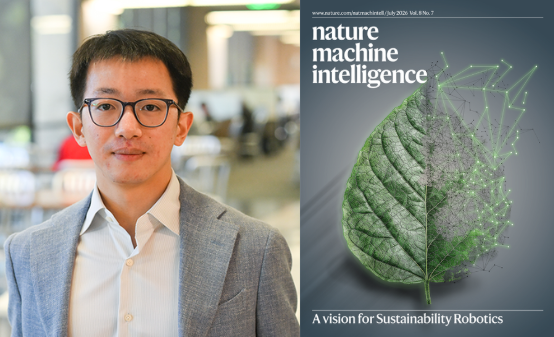
Zhantao Chen, an Assistant Professor in Mechanical Engineering and a TMI-affiliate, has published an article on an AI tool in Nature Machine Intelligence. The article used AI to help researchers in ways that would assist in experimental tasks that are often labor-intensive and tiresome.
Terry Zheng & Yu Group Publish New Work on Water-Based Electrolytes
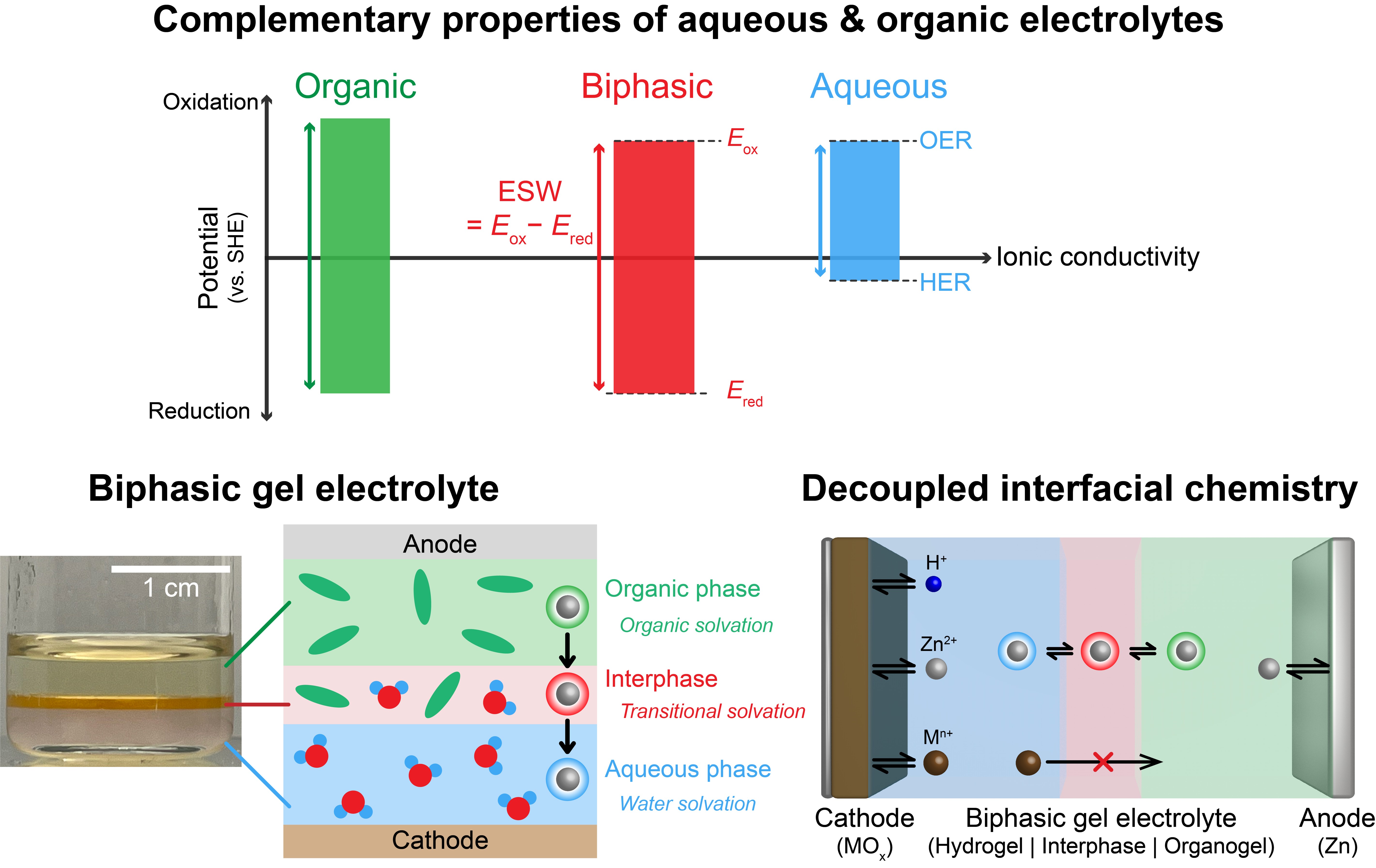
Materials Science and Engineering graduate student Tianrui (Terry) Zheng, under the supervision of Dr. Guihua Yu has published research in Advanced Materials introducing a biphasic electrolyte architecture that combines the strengths of water-based (aqueous) and organic-based electrolytes for long-duration, high-rate zinc metal batteries.
Get Better Sleep With Ultrasound Patch That Boosts REM Rest
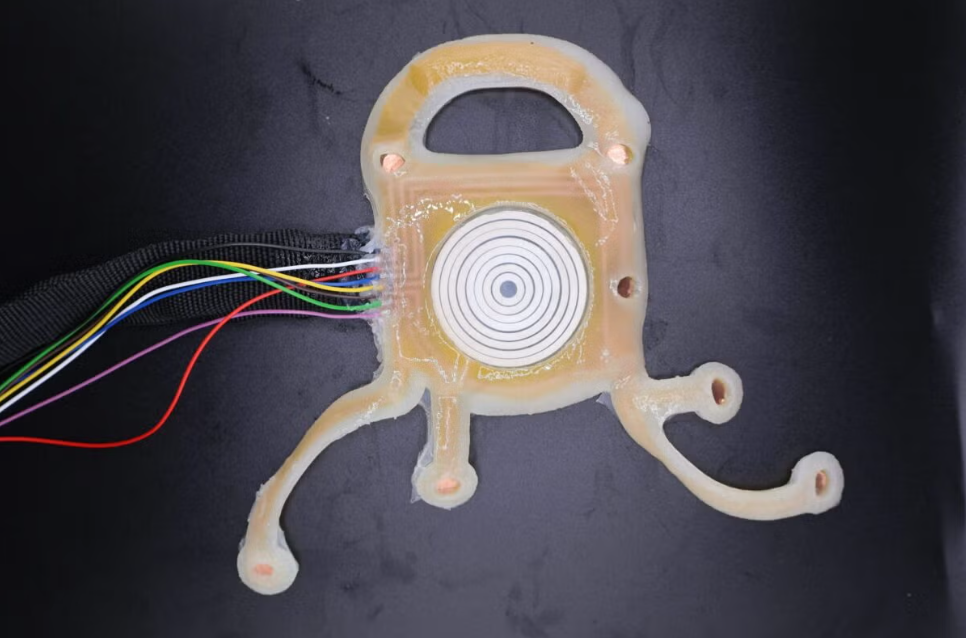
A wearable bioelectronic device increased REM sleep in real-world trials, without invasive surgery or medication.
Published by UT News.
Yuebing Zheng Awarded 'New Directions' Seed Funding from UT OVPR

Yuebing Zheng was awarded seed funding through the University's Office of the Vice President for Research, Scholarship and Creative Endeavors. The 'New Directions in Research' grants are one time payments that give faculty an opportunity to obtain proof-of-concept or pilot data for future, larger grants.
Terry Zheng Awarded UT Chevron Energy Graduate Fellowship
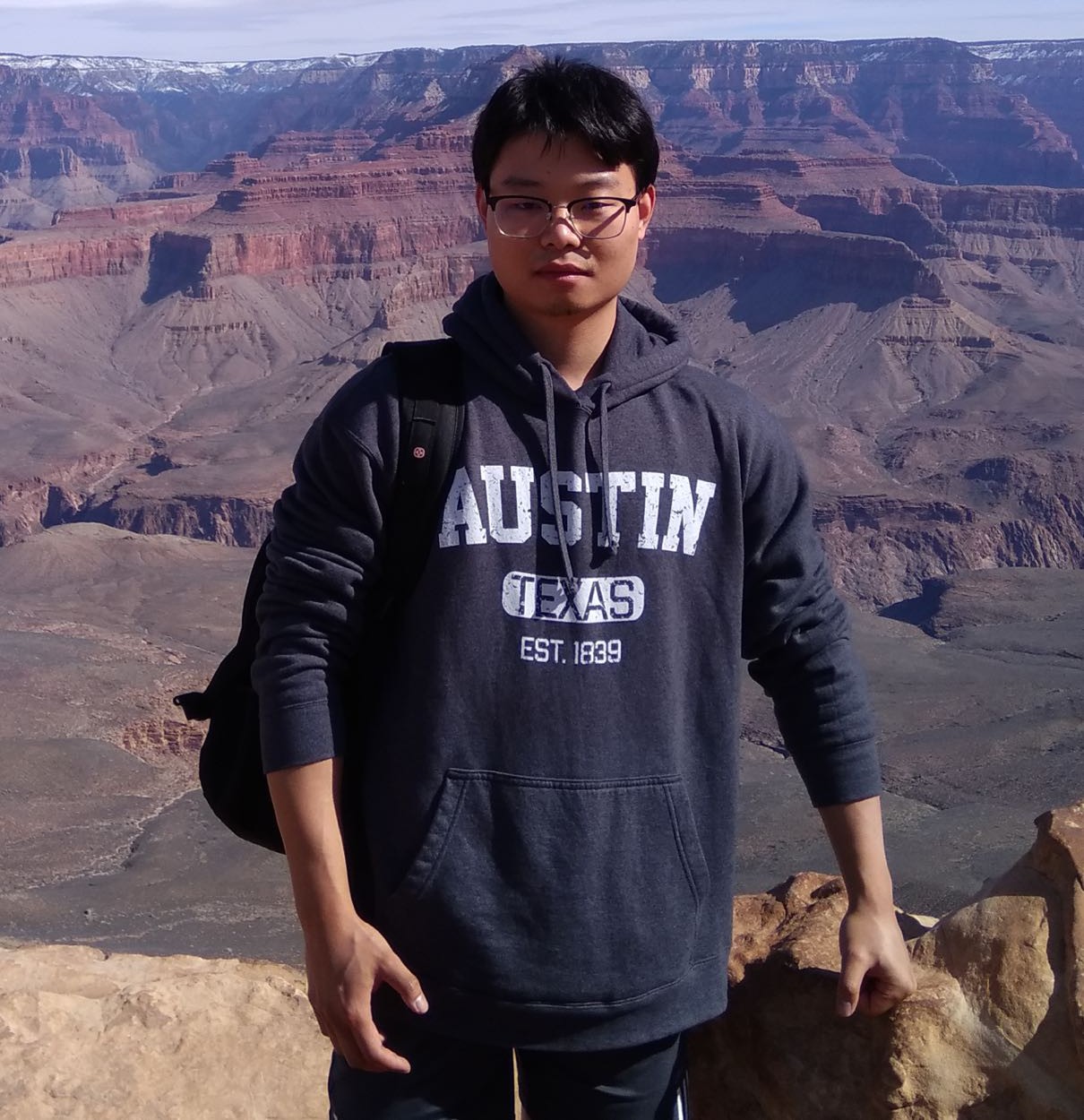
Tianrui (Terry) Zheng, a Materials Science & Engineering graduate student working with Dr. Guihua Yu, is a recipient of the 2026-2027 UT Chevron Energy Graduate Fellows Award from UT's Energy Institute.
