
Video showing students and faculty in the Materials Science and Engineering department engaged in research, lab work, and classroom activities.
Home of UT
Materials Science and
Engineering
Core Faculty
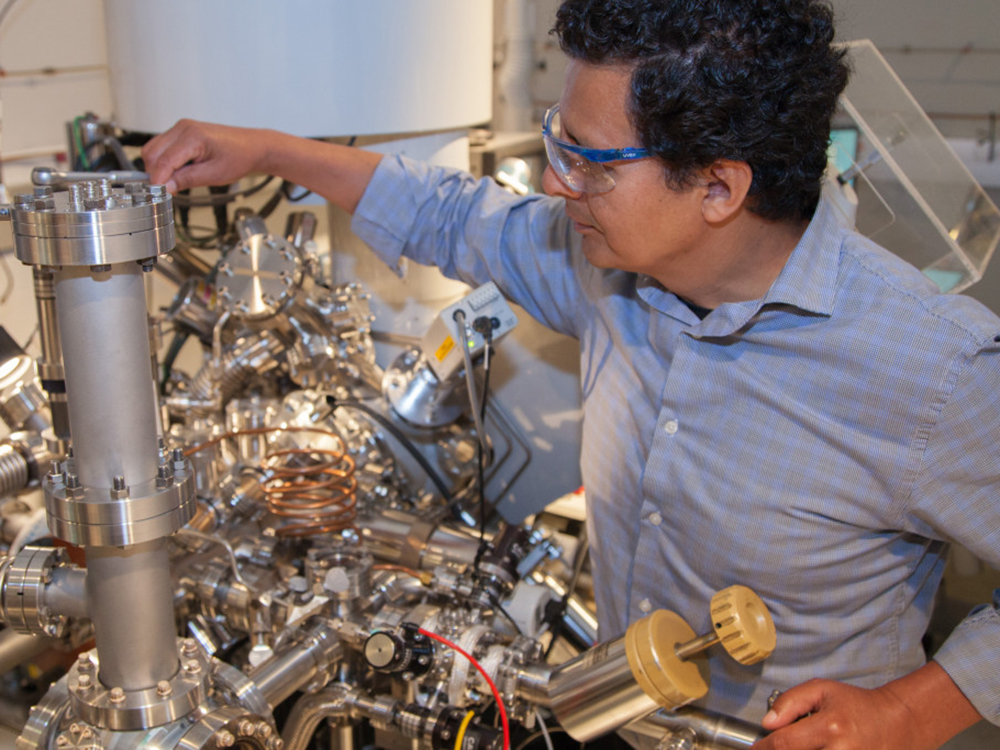
TMI's core faculty lead cutting-edge research by running their grants through the institute, fostering collaboration and resource sharing.
Learn More
Graduate Program
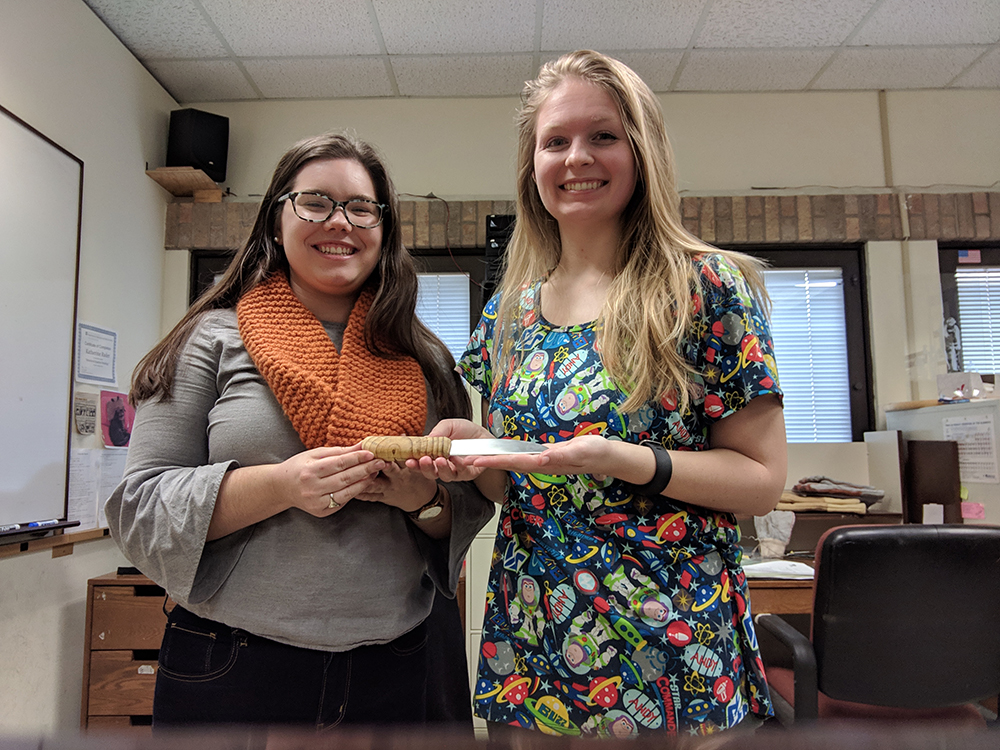
Our Materials Science and Engineering program is one of the best in the nation, and our graduates go on to be leaders in their fields.
Learn More
Research
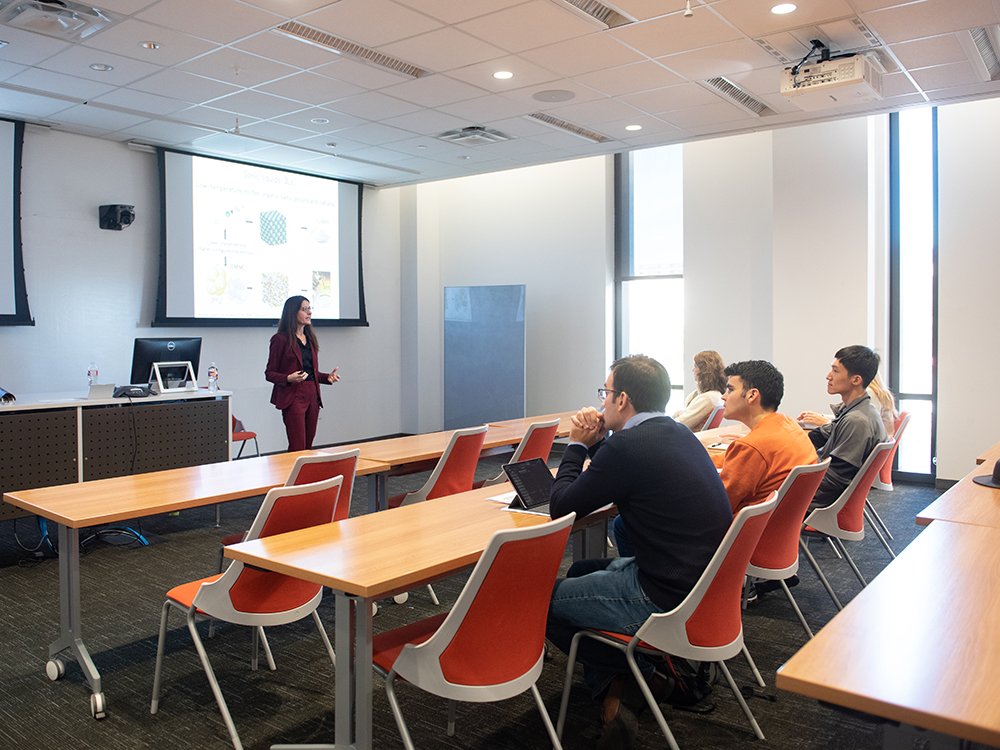
TMI supports interdisciplinary research at UT Austin, with over 100 faculty focusing on clean energy, nanotechnology, and advanced materials using our state-of-the-art facilities.
Learn More
Home
Raith 150 Two E-beam Lithography
Instrument Capabilities:
The Raith 150 TWO is an ultra-high resolution, low voltage (0.1 – 30 KeV) EBL tool. The tool is capable of writing sub-10 nm features, field stitching of ~ 25 nm, overlay alignment better than 40 nm, and can pattern structures over a 150 mm diameter wafer. Additionally, the system is also capable of fixed beam moving stage (FBMS) exposures, handling 7-inch masks, and automatic focus correction.
The patterning is controlled using the Raith Nanosuite software package. The software provides full control of the EBL system as well as integrating design files (GDSII, DXF or Raith native) for lithography. A second license is installed on a second computer in the cleanroom to support pattern design.
System performance
- Guaranteed minimum features less than 20 nm ( can easily get 12 nm)
- Demonstrated 8.2 nm feature size when using Hydrogen Silsesquioxane (HSQ) resist
- Stitching accuracy for a 100 µm write field: 11.9 nm
- Overlay accuracy for a 100 µm write field: 26.2 nm
Provided chemicals:
- Resist: PMMA 950 A4 (anisole 4%).
Fees and Policies
- UT Users: $60/hour
- Higher Education/State Agencies: $115/hour
- Corporate/External Users: $115/hour
Traning
Users should register for the required in-person training course through UTLearn.
AM Scope
Instrument Capabilities
The AmScope ME580T-PZ-2L-10M is a compact trinocular upright metallurgical microscope designed for inspection and characterization of metals, semiconductor materials, wafers, plastics, and other opaque or translucent samples. The system combines reflected and transmitted illumination, polarized-light capability, plan-achromatic optics, and digital imaging for materials inspection. The microscope is equipped with a 10-megapixel USB 2.0 digital camera, allowing users to capture and record microscopic images.
Key features:
- Trinocular optical configuration with a dedicated camera port
- 40X–500X total magnification
- Finite plan-achromatic optical system for flat-field imaging
- Reflected-light illumination for opaque materials and surfaces
- Transmitted-light illumination for translucent specimens
- Polarized reflected-light capability for enhancing material features and stress-related contrast
- 25 mm focus travel
- 0.002 mm fine-focus precision
- Metallurgical objectives:
- 5X plan-achromatic
- 10X plan-achromatic
- 50X long-working-distance plan-achromatic
Fees and Policies
- UT Users: $35/hour
- Higher Education/State Agencies (Assisted): $92/hour
- Corporate/External Users (Assisted): $94/hour
- Higher Education/State Agencies (Unassisted): $64/hour
- Corporate/External Users (Unassisted): $65/hour
A cleanroom entry fee will be charged in addition to the cleanroom facility usage fee.
- UT Users $6
- Higher Education/State Agencies: $10
- Corporate/External Users: $10
Traning
Please contact Dr. Raluca Gearba and/or James Smitherman to schedule a training session.
RHK ATM 300 STM
Instrument Capabilities
The ATM 300 STM is an ambient scanning tunneling microscope (STM) from RHK. The instrument is designed for atomic-scale imaging and characterization of electrically conductive surfaces using the tunneling current between a sharp probe tip and the sample.
Key features:
- 5 × 5 µm XY scan range, 0.5 Å lateral resolution and 0.1 Å Z resolution
- Thermal drift below 1 Å/min
- Tunneling current <1pA
- Bias voltage: ±1V or ±10V with 10 turn potentiometer
- Atomic-resolution surface imaging
- Constant-current and constant-height STM imaging
- Local surface morphology and atomic structure
- Electronic characterization through I–V spectroscopy
- Local density-of-states measurements using scanning tunneling spectroscopy (STS), when configured appropriately
- Investigation of surface defects, steps, terraces, adsorbates, and atomic-scale structures
- Measurements on conductive or semiconductive materials
Fees and Policies
- UT Users: $5/hour
- Higher Education/State Agencies: $12/hour
- Corporate/External Users: $12/hour
Traning
Please contact Dr. Raluca Gearba to schedule a training session.
Renishaw InVia Reflex Raman Spectrometer
Instrument Capabilities
The Renishaw InVia system is a Raman spectrometer with a spectral range of 30 to 3200 Raman shift/cm-1.
Key features:
- Excitation laser: 514 nm
- 5X, 20X, 50X objectives
- Three color video/video capture
- Computer controlled NIR/VIS alignment mirrors
- Computer selectable spectrometer, ND Filter for UV/NIR/VISIBLE Beam paths.
- UV/NIR optimized CCD Camera (LUMAGEN coated deep depletion) and IR-sensitive InGaAs detectors
- Wire Data acquisition 3.4 software package
- Accessories: Linkam computer controlled hot/cold stage with LWD NPLAN 50X objective.
Fees and Policies
- UT Users: $32/hour
- Higher Education/State Agencies: $89/hour
- Corporate/External Users: $89/hour
Training
Users should register for the required in-person training course through UTLearn.
Page 5 of 54
Texas Materials Seminar Series
The Texas Materials Seminar Series features MSE 397 Seminars, TMI Distinguished Lectureships, and TMI Special Seminars, where leading faculty and professionals from around the world share cutting-edge innovations and advancements in materials engineering with our students.
Learn More
$12M+
In Grant Funding
20+
Research Patents
10K+
Sq. Ft. of Research Labs
News
Zhantao Chen Publishes New Article on AI-assisted Tool
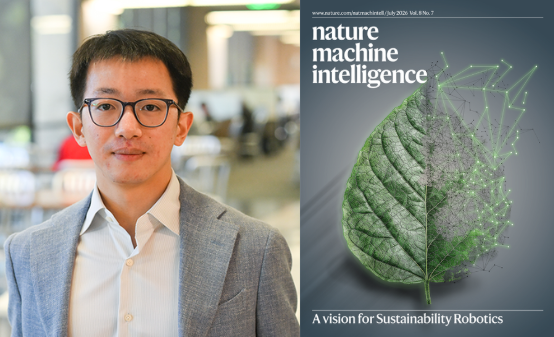
Zhantao Chen, an Assistant Professor in Mechanical Engineering and a TMI-affiliate, has published an article on an AI tool in Nature Machine Intelligence. The article used AI to help researchers in ways that would assist in experimental tasks that are often labor-intensive and tiresome.
Terry Zheng & Yu Group Publish New Work on Water-Based Electrolytes
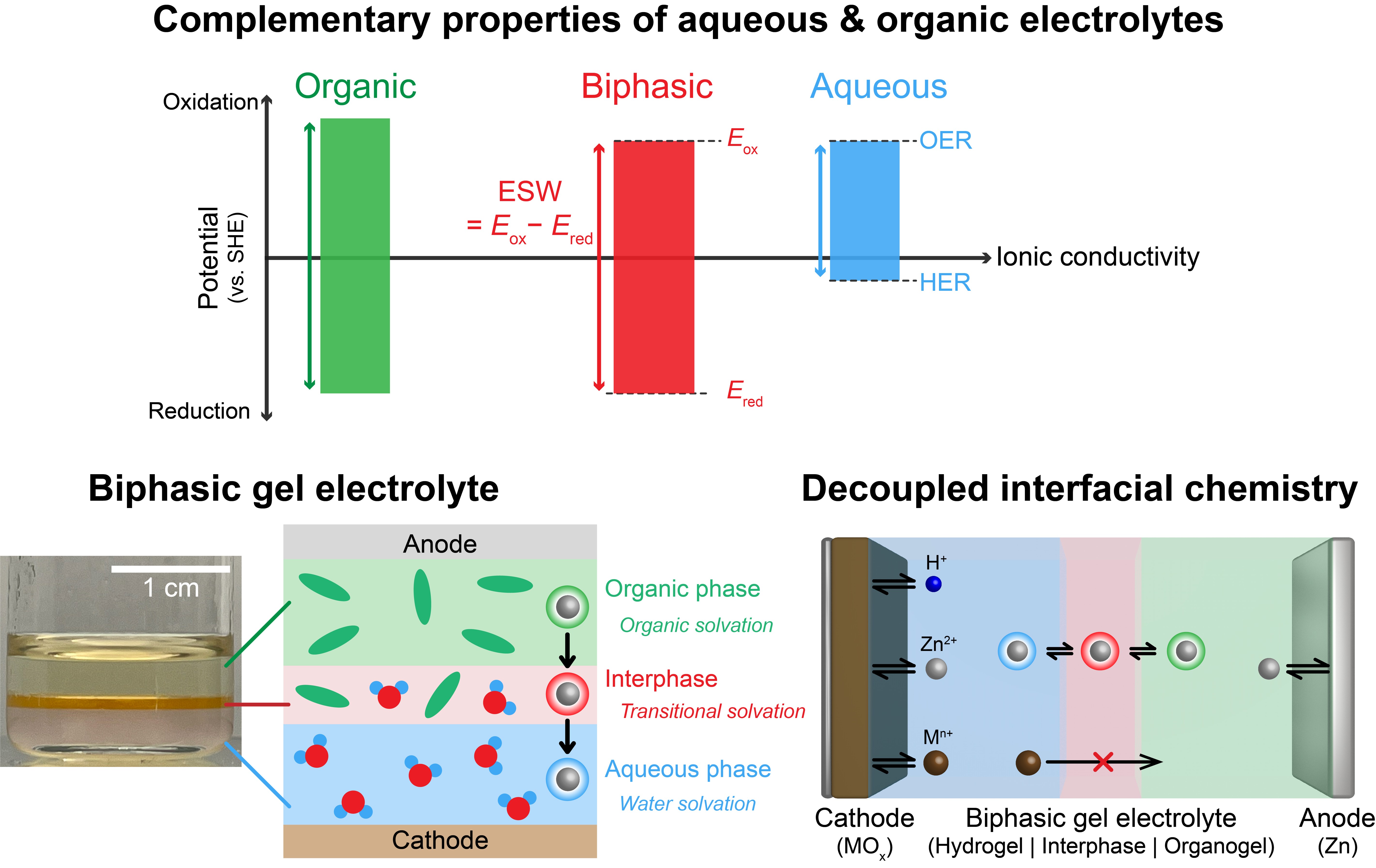
Materials Science and Engineering graduate student Tianrui (Terry) Zheng, under the supervision of Dr. Guihua Yu has published research in Advanced Materials introducing a biphasic electrolyte architecture that combines the strengths of water-based (aqueous) and organic-based electrolytes for long-duration, high-rate zinc metal batteries.
Get Better Sleep With Ultrasound Patch That Boosts REM Rest
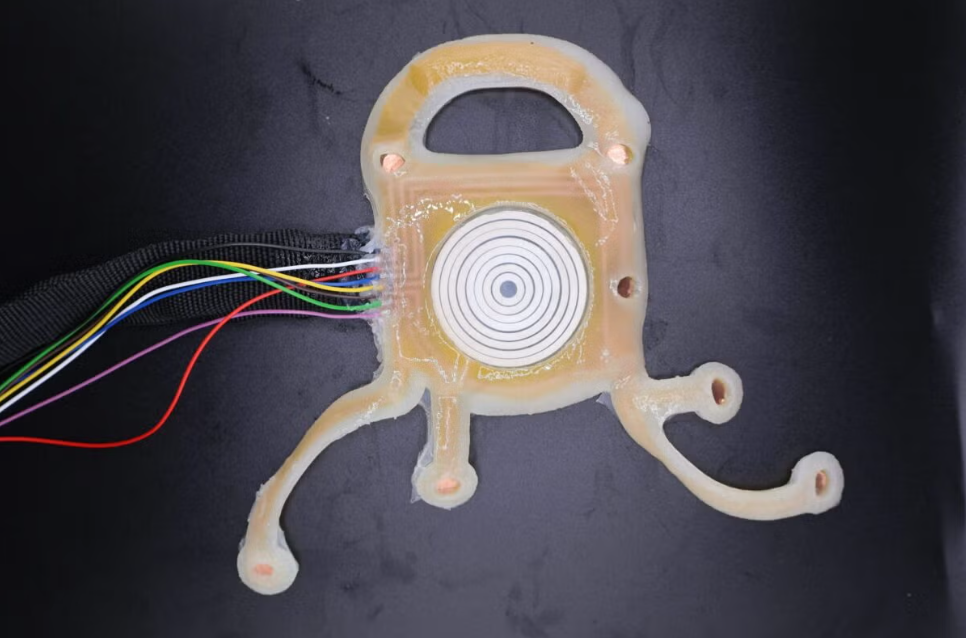
A wearable bioelectronic device increased REM sleep in real-world trials, without invasive surgery or medication.
Published by UT News.
Yuebing Zheng Awarded 'New Directions' Seed Funding from UT OVPR
Yuebing Zheng was awarded seed funding through the University's Office of the Vice President for Research, Scholarship and Creative Endeavors. The 'New Directions in Research' grants are one time payments that give faculty an opportunity to obtain proof-of-concept or pilot data for future, larger grants.
Terry Zheng Awarded UT Chevron Energy Graduate Fellowship
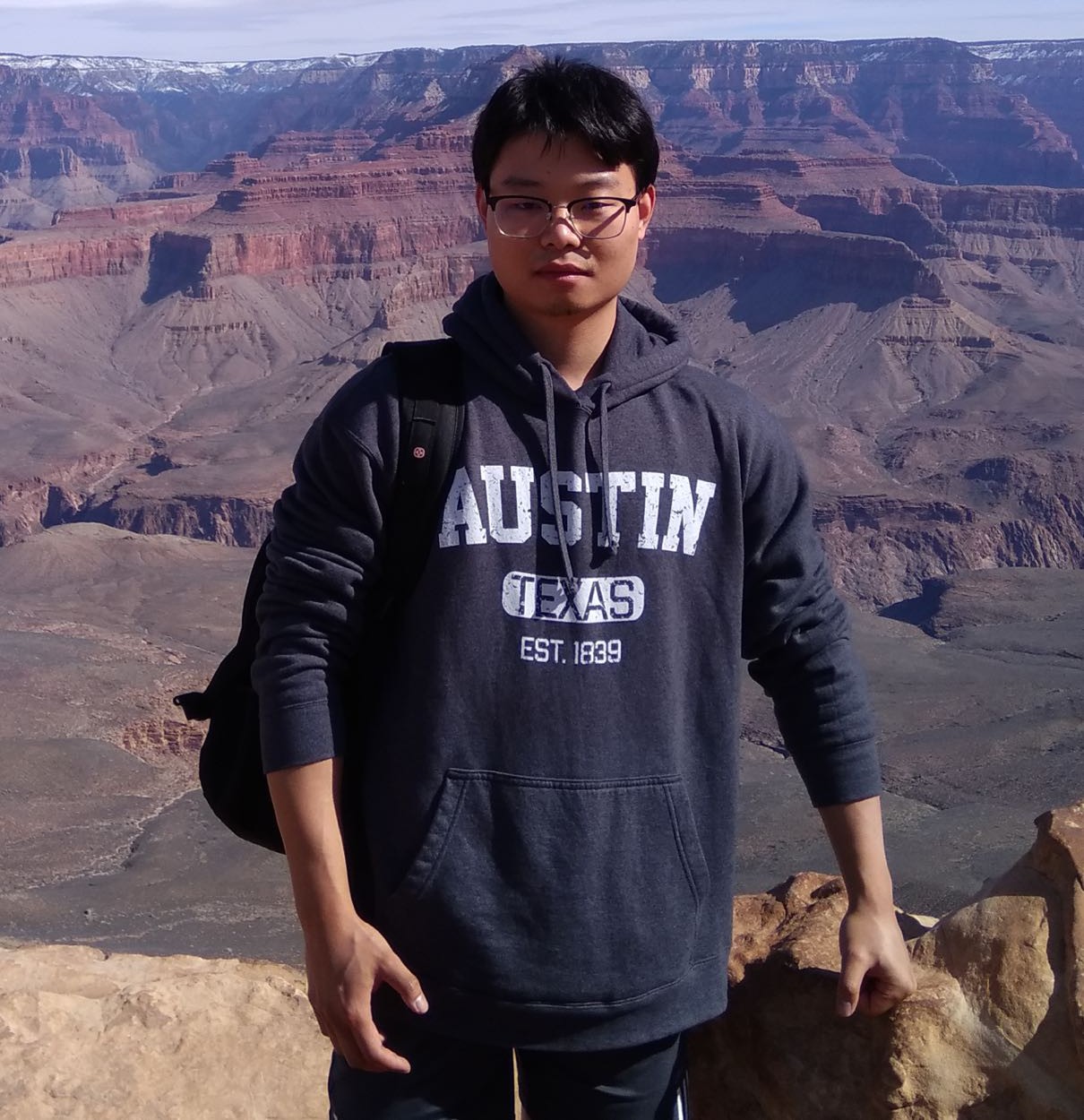
Tianrui (Terry) Zheng, a Materials Science & Engineering graduate student working with Dr. Guihua Yu, is a recipient of the 2026-2027 UT Chevron Energy Graduate Fellows Award from UT's Energy Institute.
