
Video showing students and faculty in the Materials Science and Engineering department engaged in research, lab work, and classroom activities.
Home of UT
Materials Science and
Engineering
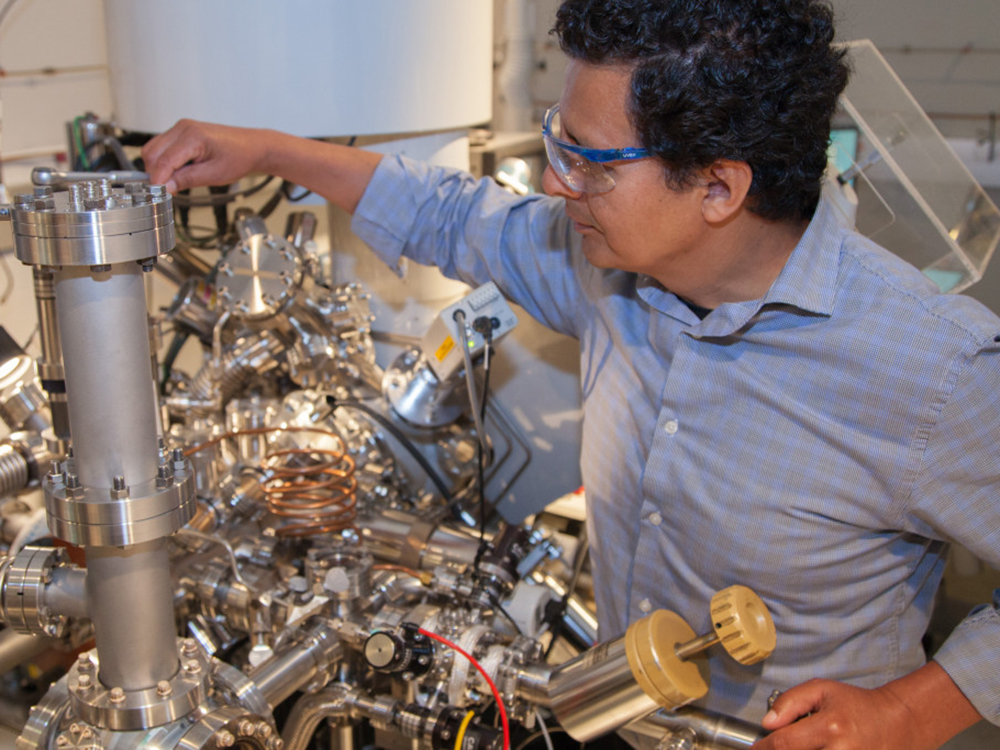
Core Faculty
TMI's core faculty lead cutting-edge research by running their grants through the institute, fostering collaboration and resource sharing.
Learn More
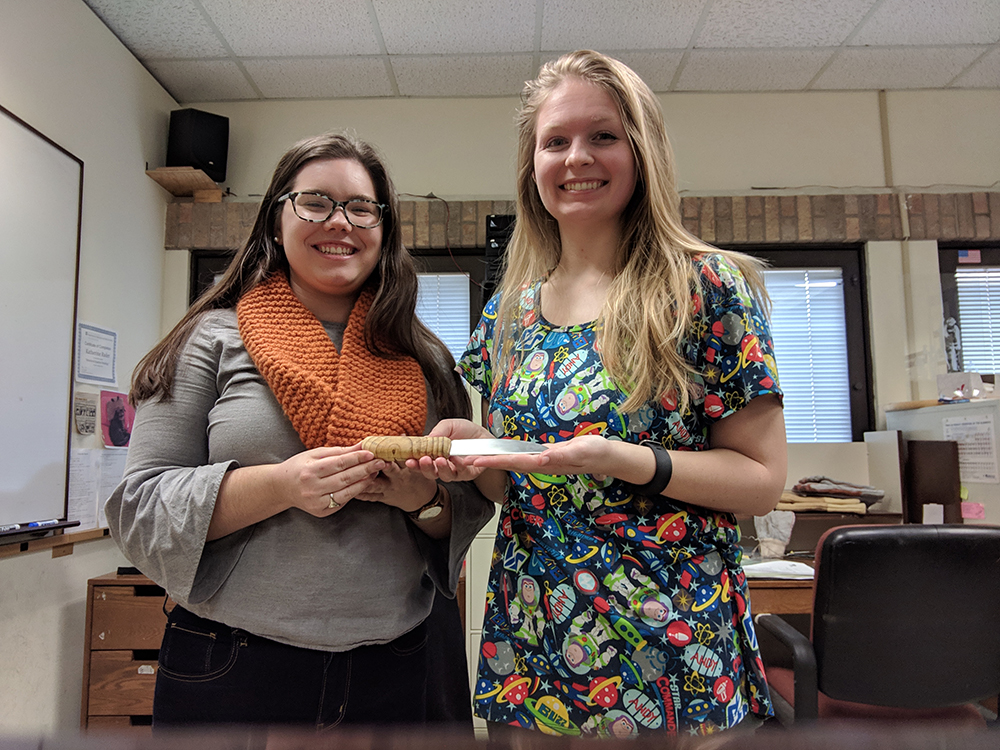
Graduate Program
Our Materials Science and Engineering program is one of the best in the nation, and our graduates go on to be leaders in their fields.
Learn More
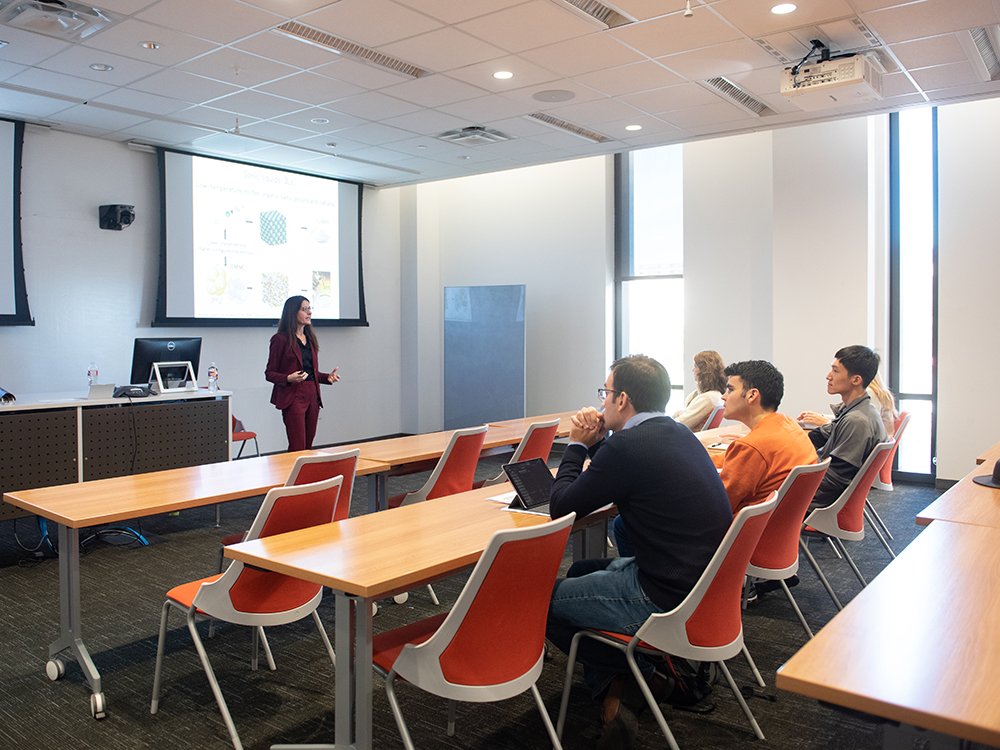
Research
TMI supports interdisciplinary research at UT Austin, with over 100 faculty focusing on clean energy, nanotechnology, and advanced materials using our state-of-the-art facilities.
Learn More
Equipment
Instrument Capabilities
The Scintag X1 Theta-Theta Diffractometer is an X-ray diffraction (XRD) system used for phase identification and structural characterization of crystalline materials. It can be used to analyze crystallinity, lattice parameters, crystallite size, preferred orientation, and thin-film materials, making it a versatile tool for materials research and characterization.
Key Features:
- Dual collimator configurations: Bragg-Brentano and parallel-beam
- EDMUND BÜHLER HDK 2.4 high-temperature stage with turbo-pumped vacuum capability
- High/Low temperature powder diffraction
Fees and Policies
- UT Users: $7/hour
- Higher Education/State Agencies: $45/hour
- Corporate/External Users: $45/hour
Traning
Please contact
Instrument Capabilities
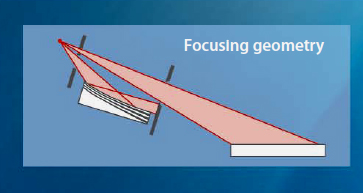
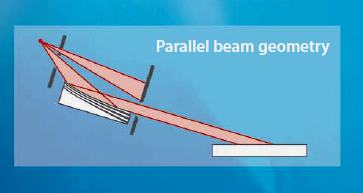
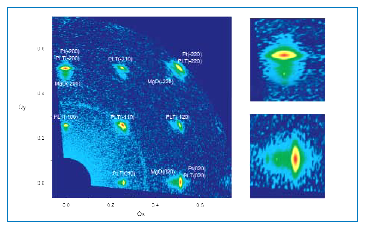
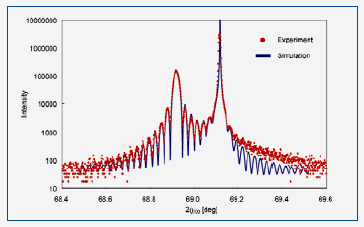
The Rigaku ULTIMA IV Diffractometer is a multipurpose diffractometer equipped with patented cross-beam optics for rapid switching between measurement modes. The system is used for the identification of crystalline phases and characterization of crystal structure and crystallinity. The instrument supports specialized measurements, including elevated-temperature (non-ambient) studies, micro-area diffraction, and small-angle X-ray scattering (SAXS).
Key features:
- High-temperature stage: Room temperature to approximately 1500°C
- Controlled atmosphere: Measurements can be performed in air, controlled gas, or vacuum
- X-ray source: 2.2 kW Cu Kα long-fine-focus tube
- Focus size: 0.4 × 12 mm
- Goniometer radius: 285 mm
- Theta/Theta wide-angle goniometer: −3° to +154° in 2θ
- Minimum angular step: 0.0001°
Fees and Policies
- UT Users: $7/hour
- Higher Education/State Agencies: $45/hour
- Corporate/External Users: $45/hour
Training
Users should register for the required in-person training course through UTLearn .
Instrument Capabilities
The Keyence VK-X1100 Optical Profilometer is a high-resolution, non-contact laser scanning confocal microscope used to characterize the three-dimensional surface topography and morphology of materials. The system provides quantitative measurements of surface roughness, step heights, patterned features, and thin-film thickness, making it particularly useful for evaluating microfabrication, lithography, etching, and thin-film deposition processes.
Key features:
- 1024 × 768 pixel image resolution
- 404 nm laser for high-resolution surface measurements
- Fast scanning: measurement time of approximately [X] seconds per scan
- Lateral resolution: approximately 120 nm
- Z-resolution: approximately 6–8 nm
- Multiple Z-direction measurement steps for accurate three-dimensional surface reconstruction
- Non-contact optical measurement, minimizing the risk of damaging delicate surfaces
- Suitable for measuring surface roughness, step heights, patterned features, and thin-film thickness
- Sample considerations: measurements can be affected at transitions between glass and highly reflective surfaces, which may require appropriate sample preparation or measurement conditions.
Fees and Policies
- UT Users: $23/hour
- Higher Education/State Agencies: $56/hour
- Corporate/External Users: $56/hour
Traning
Please contact
Texas Materials Seminar Series
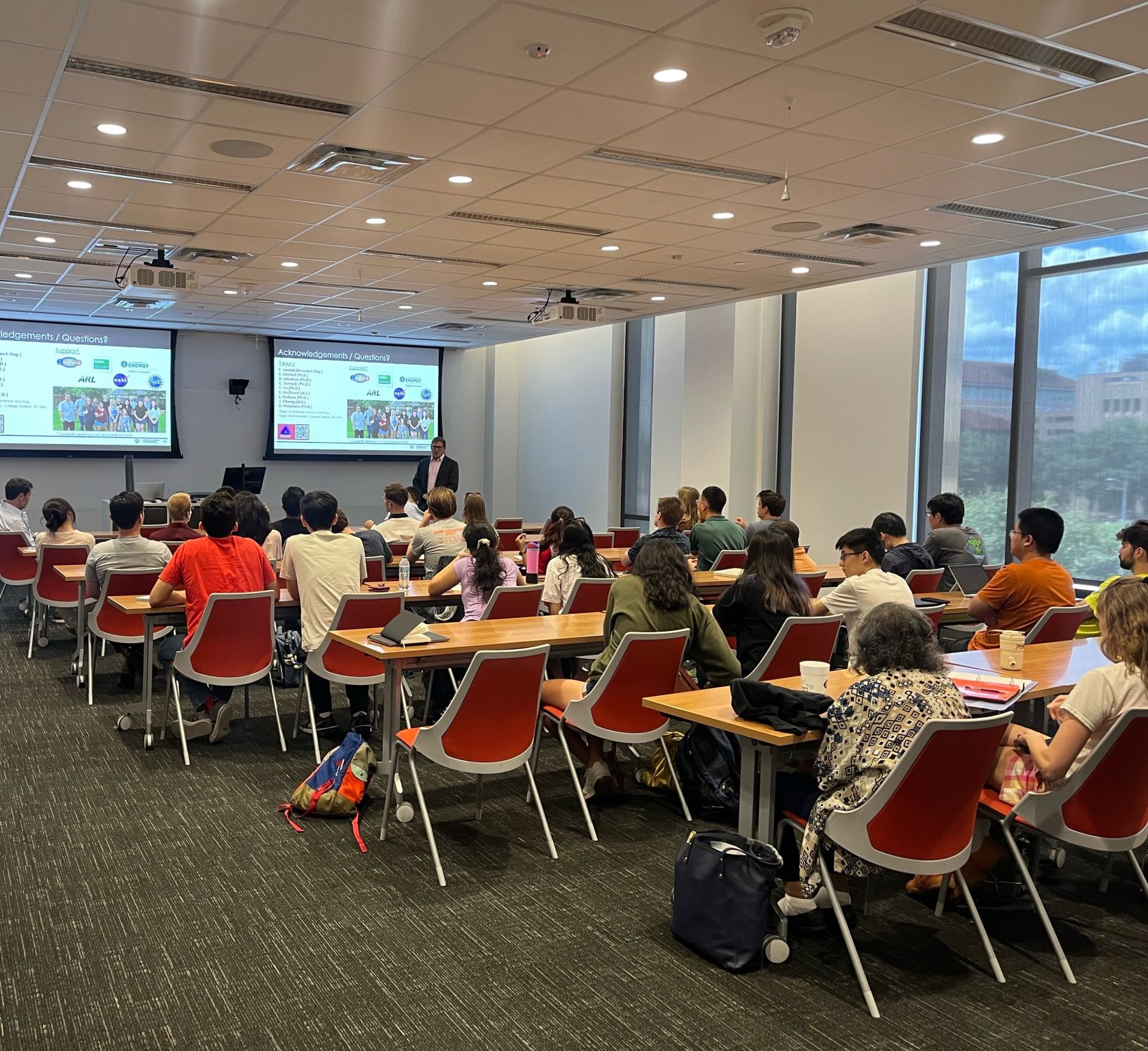
The Texas Materials Seminar Series features MSE 397 Seminars, TMI Distinguished Lectureships, and TMI Special Seminars, where leading faculty and professionals from around the world share cutting-edge innovations and advancements in materials engineering with our students.
Learn More
$12M+
In Grant Funding
20+
Research Patents
10K+
Sq. Ft. of Research Labs
News
Zhantao Chen Publishes New Article on AI-assisted Tool
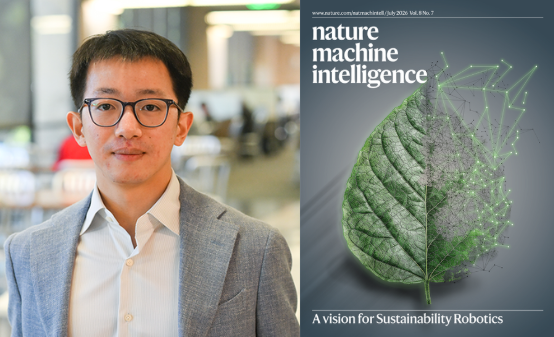
Zhantao Chen, an Assistant Professor in Mechanical Engineering and a TMI-affiliate, has published an article on an AI tool in Nature Machine Intelligence. The article used AI to help researchers in ways that would assist in experimental tasks that are often labor-intensive and tiresome.
Terry Zheng & Yu Group Publish New Work on Water-Based Electrolytes
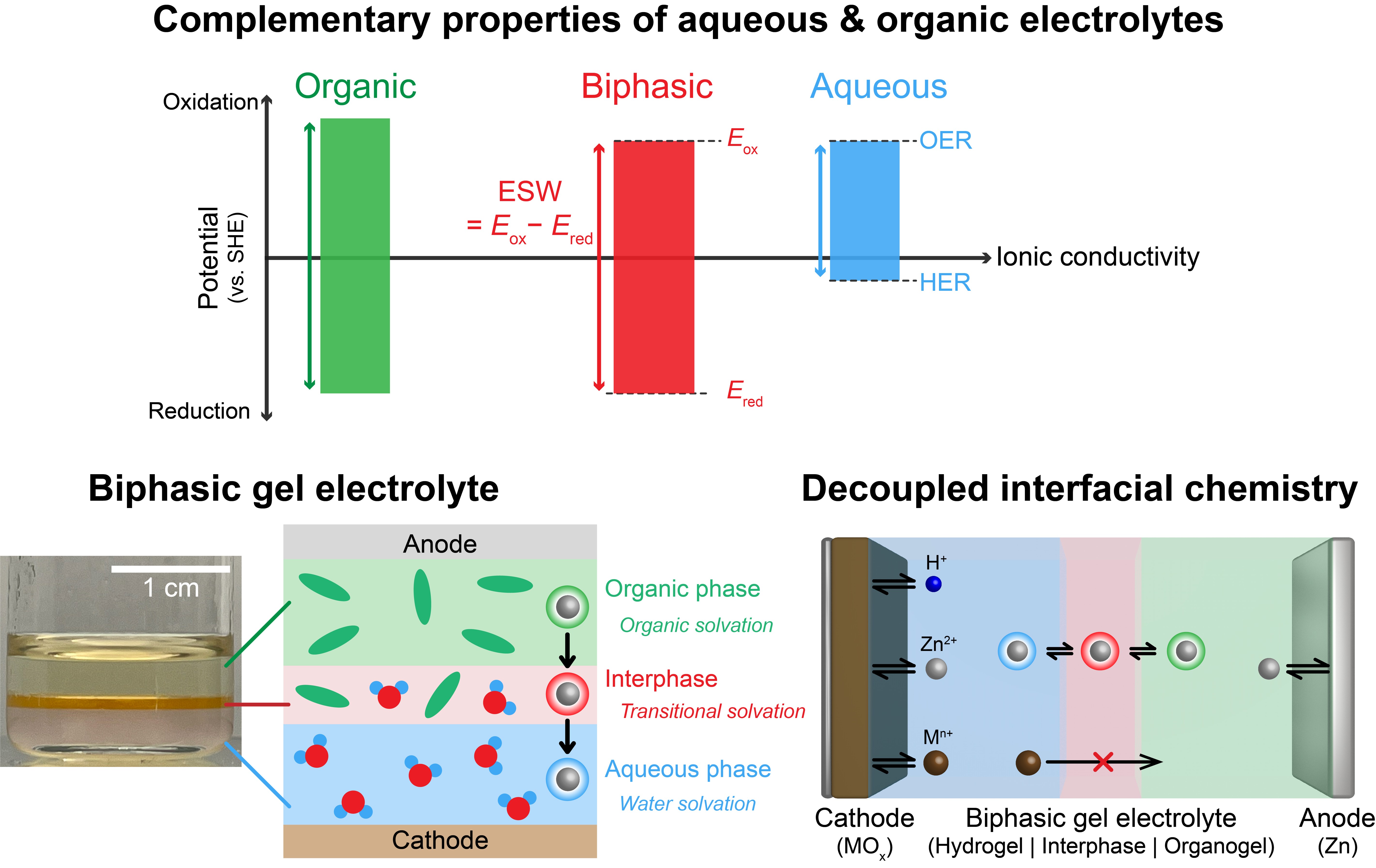
Materials Science and Engineering graduate student Tianrui (Terry) Zheng, under the supervision of Dr. Guihua Yu has published research in Advanced Materials introducing a biphasic electrolyte architecture that combines the strengths of water-based (aqueous) and organic-based electrolytes for long-duration, high-rate zinc metal batteries.
Get Better Sleep With Ultrasound Patch That Boosts REM Rest
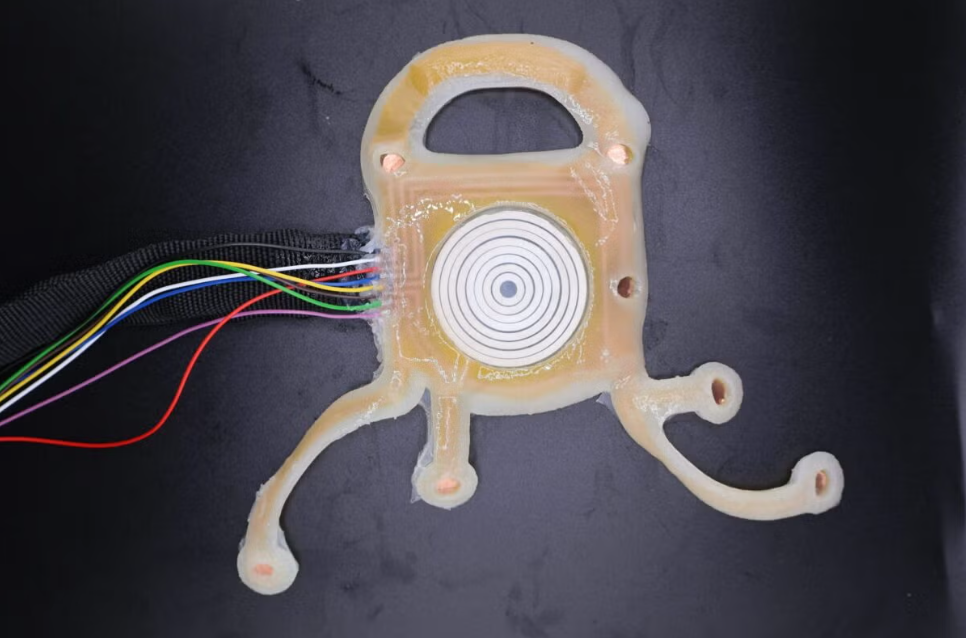
A wearable bioelectronic device increased REM sleep in real-world trials, without invasive surgery or medication.
Published by UT News.
Yuebing Zheng Awarded 'New Directions' Seed Funding from UT OVPR
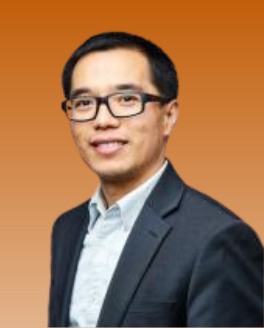
Yuebing Zheng was awarded seed funding through the University's Office of the Vice President for Research, Scholarship and Creative Endeavors. The 'New Directions in Research' grants are one time payments that give faculty an opportunity to obtain proof-of-concept or pilot data for future, larger grants.
Terry Zheng Awarded UT Chevron Energy Graduate Fellowship
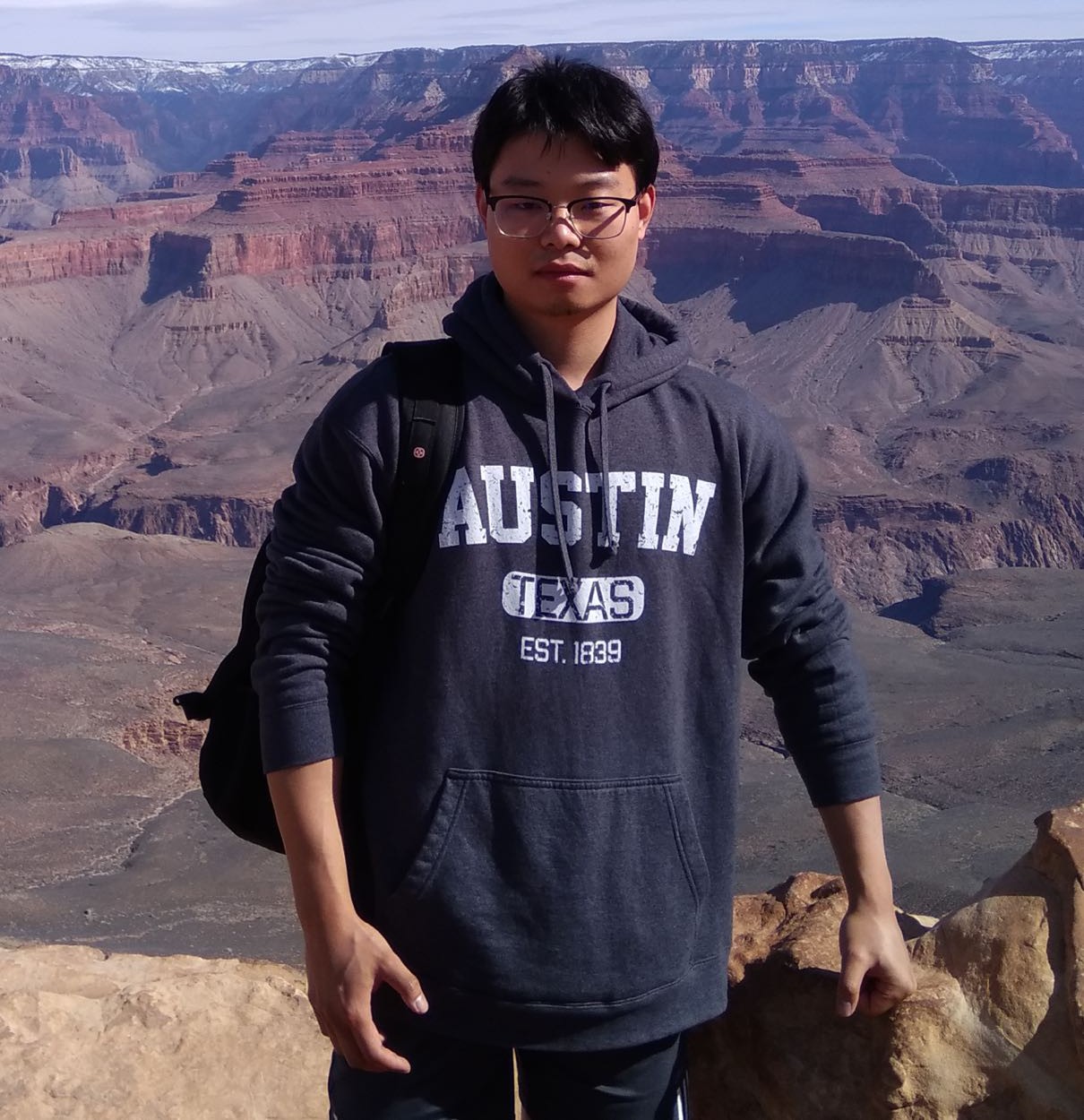
Tianrui (Terry) Zheng, a Materials Science & Engineering graduate student working with Dr. Guihua Yu, is a recipient of the 2026-2027 UT Chevron Energy Graduate Fellows Award from UT's Energy Institute.
