
Video showing students and faculty in the Materials Science and Engineering department engaged in research, lab work, and classroom activities.
Home of UT
Materials Science and
Engineering
Core Faculty
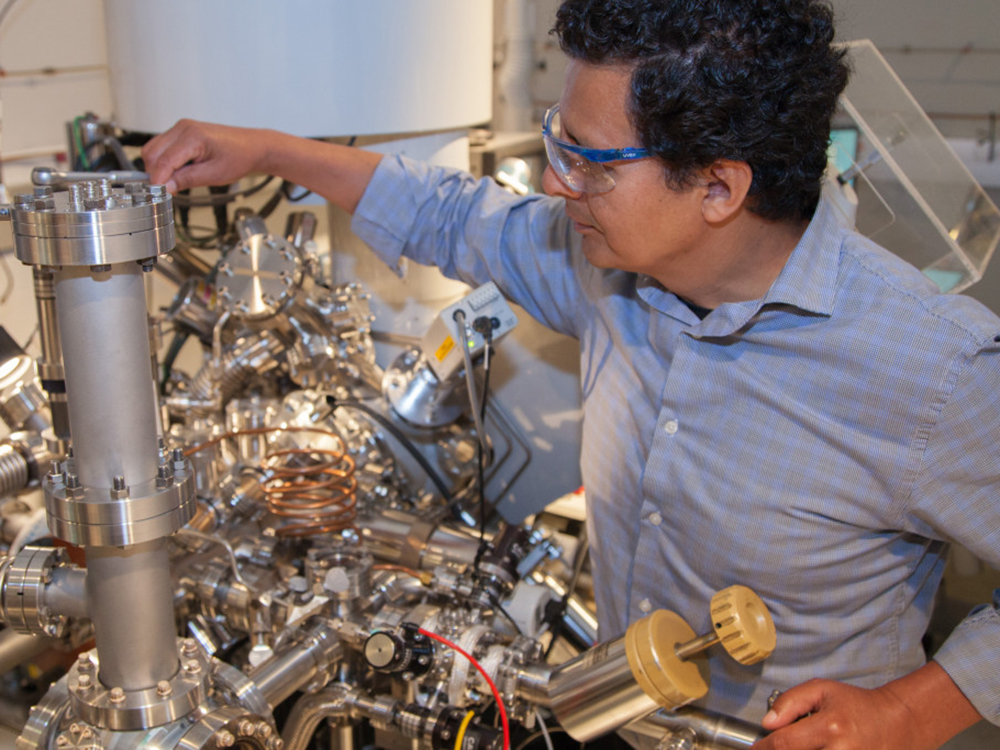
TMI's core faculty lead cutting-edge research by running their grants through the institute, fostering collaboration and resource sharing.
Learn More
Graduate Program
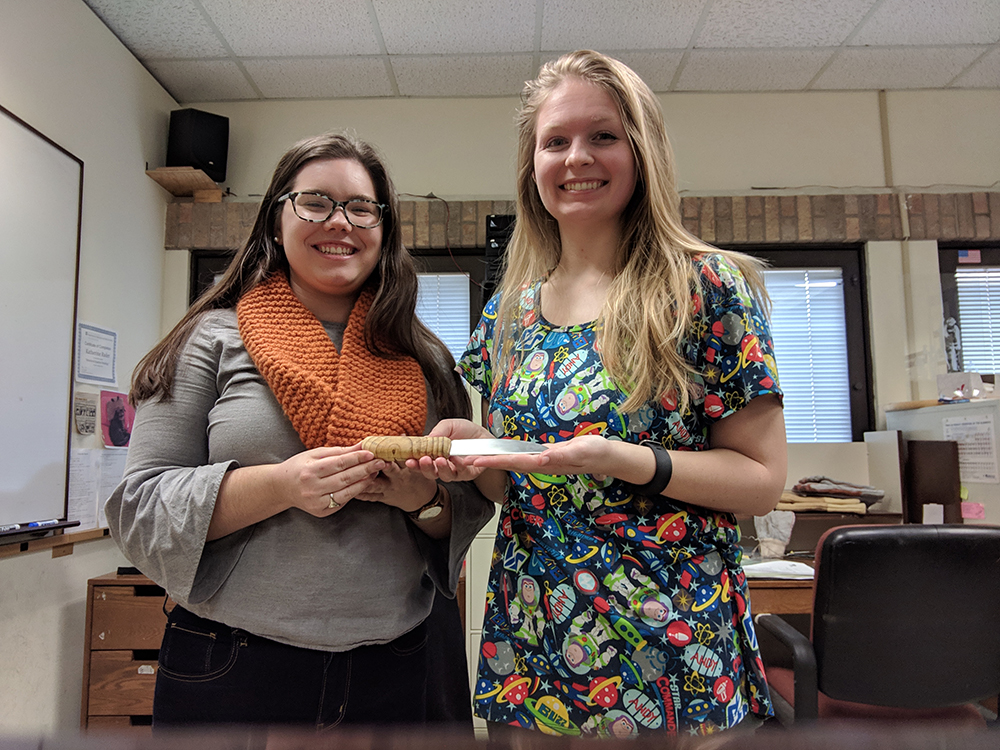
Our Materials Science and Engineering program is one of the best in the nation, and our graduates go on to be leaders in their fields.
Learn More
Research
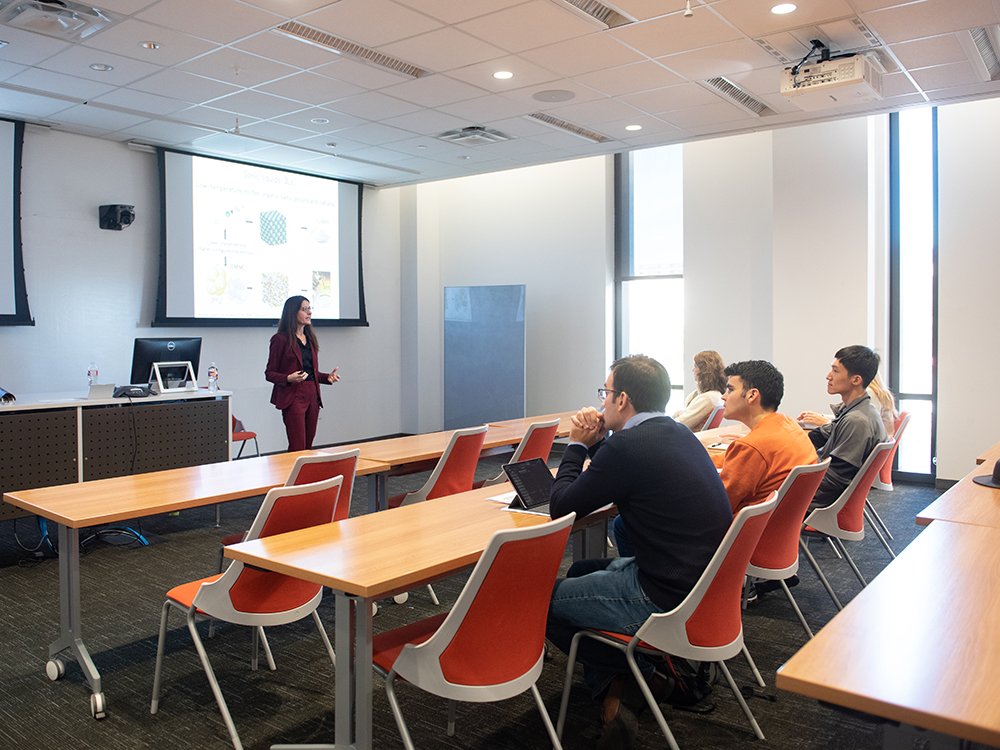
TMI supports interdisciplinary research at UT Austin, with over 100 faculty focusing on clean energy, nanotechnology, and advanced materials using our state-of-the-art facilities.
Learn More
Equipment
Instrument Capabilities
The R50 Four-Point Probe (4PP) system measures sheet resistance, resistivity, and film thickness of conductive and semiconductive materials over a 10-decade resistance range (1 mΩ to 200 MΩ). The system utilizes KLA's dual measurement technique, measuring voltage across multiple pins to improve measurement accuracy compared to conventional four-point probe systems.
Key features:
- Supports sample mapping on substrates up to 150 mm in diameter with a 100 × 100 mm automated XY travel range and customizable mapping patterns.
- Features 60 mm of Z-axis travel with coarse and fine height adjustment and programmable approach speed to accommodate a wide variety of sample sizes and thicknesses.
- Automatically generates maps of sheet resistance, resistivity, or film thickness, with the ability to calculate film thickness from known resistivity or vice versa.
- Includes three interchangeable probe heads optimized for:
- General-purpose measurements (1 mm spacing, 100 μm tip radius)
- High-resistance and ion-implanted surfaces (1 mm spacing, 200 μm tip radius)
- Metal thin films (1 mm spacing, 40 μm tip radius)
- Equipped with a traceable resistor reference set for routine system verification and calibration.
- Ti 4PP Qualifier Wafer available (Nominal Rs = 4 Ohms/sq)
Fees and Policies
- UT Users: $20/hour
- Higher Education/State Agencies: $90/hour
- Corporate/External Users: $95/hour
Traning
Please contact Dr. Raluca Gearba and/or James Smitherman to schedule a training session.
Instrument Capabilities
This Langmuir-Blodgett deposition system is designed for forming and transferring monolayers and multilayers onto substrates. It provides precise control of surface pressure, barrier movement, and substrate dipping speed for controlled thin-film deposition.
Model: KSV MiniTrough
Key Features:
- PTFE trough: Surface area of 273 cm² (L364 × W75 × D7 mm³), with a dipping well measuring L37 × W37 × D64 mm³ and a subphase volume of 280 mL.
- Barriers: Hydrophobic PTFE and hydrophilic polyacetal (Delfrin) barriers are used to adjust the surface pressure. Barrier speed ranges from 0.01 to 400 mm/min.1
- Surface pressure measurement: Measured using the Wilhelmy plate method with either a platinum plate or paper. The balance has a total measurement range of ±2000 mg. With the platinum
- Wilhelmy plate, 1 mN/m corresponds to 4 mg.
- Deposition system: Dipping arm with a speed range of 0.1–85 mm/min.
- Film transfer: Supports monolayer and multilayer transfers.
- Operation: Software-controlled operation.
- Substrate size: Maximum substrate size of 60 × 35 mm.
Fees and Policies
- UT Users: $35/hour
- Higher Education/State Agencies (Assisted): $92/hour
- Corporate/External Users (Assisted): $94/hour
- Higher Education/State Agencies (Unassisted): $64/hour
- Corporate/External Users (Unassisted): $65/hour
A cleanroom entry fee will be charged in addition to the cleanroom facility usage fee.
- UT Users $6
- Higher Education/State Agencies: $10
- Corporate/External Users: $10
Traning
Please contact Dr. Raluca Gearba to schedule a training session.
Instrument Capabilities
The J.A. Woollam M-2000D Spectroscopic Ellipsometer is a high-speed, non-destructive optical characterization system designed for measuring thin-film thickness and optical properties. With a broad spectral range and flexible measurement capabilities, the system is suitable for thin-film characterization, thickness uniformity mapping, and time-dependent or in-situ measurements. It supports both large-area scanning and focused measurements for detailed characterization of samples and patterned structures.
Key Features:
- Spectral range: 193–1650 nm
- Thickness measurement range: Up to 10 μm, depending on the sample
- Large-area scanning mode
- Time-dependent measurement mode
- Beam size: 4 mm; at the sample, the beam is elliptical and its size depends on the angle of incidence
- Beam size with focusing probes: 300 μm
- Beam size with focusing probes: 300 microns
Supporting Materials
- Database for refractive indexes.
Fees and Policies
- UT Users: $35/hour
- Higher Education/State Agencies (Assisted): $92/hour
- Corporate/External Users (Assisted): $94/hour
- Higher Education/State Agencies (Unassisted): $64/hour
- Corporate/External Users (Unassisted): $65/hour
A cleanroom entry fee will be charged in addition to the cleanroom facility usage fee.
- UT Users $6
- Higher Education/State Agencies: $10
- Corporate/External Users: $10
Traning
Please contact Dr. Raluca Gearba to schedule a training session.
Instrument Capabilities
The Fujifilm DMP-2800 Dimatix Printer is a materials deposition system designed for inkjet printing of functional materials and electronic devices. The system offers a variety of patterning options using a pattern editor program. A waveform editor and drop-watch camera system allow users to adjust the electronic pulses to the piezoelectric jetting device to optimize droplet characteristics as they are ejected from the nozzle. This system enables easy printing of structures and samples for process verification and prototype development.
Key Features:
- Deposition of fluidic materials with typical drop sizes of 1 and 10 picoliters
- Patterns can be created and printed on substrates up to 8×11 inches and 25 mm thick
- Substrates are secured on a vacuum platen and can be heated up to 60°C
- A fiducial camera allows inspection and image capture of patterns and drops as well as alignment for multilayer processes.
Supporting Documents
Fees and Policies
- UT Users: $35/hour
- Higher Education/State Agencies (Assisted): $92/hour
- Corporate/External Users (Assisted): $94/hour
- Higher Education/State Agencies (Unassisted): $64/hour
- Corporate/External Users (Unassisted): $65/hour
A cleanroom entry fee will be charged in addition to the cleanroom facility usage fee.
- UT Users $6
- Higher Education/State Agencies: $10
- Corporate/External Users: $10
Traning
Please contact Dr. Raluca Gearba to schedule a training session.
Texas Materials Seminar Series
The Texas Materials Seminar Series features MSE 397 Seminars, TMI Distinguished Lectureships, and TMI Special Seminars, where leading faculty and professionals from around the world share cutting-edge innovations and advancements in materials engineering with our students.
Learn More
$12M+
In Grant Funding
20+
Research Patents
10K+
Sq. Ft. of Research Labs
News
Zhantao Chen Publishes New Article on AI-assisted Tool
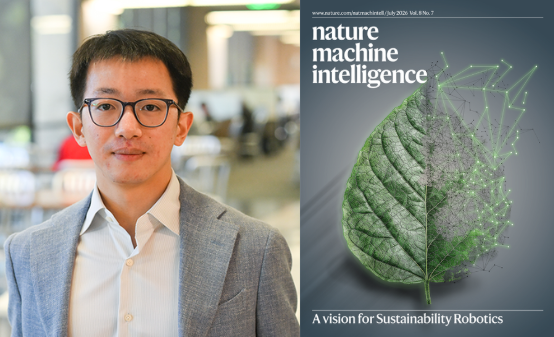
Zhantao Chen, an Assistant Professor in Mechanical Engineering and a TMI-affiliate, has published an article on an AI tool in Nature Machine Intelligence. The article used AI to help researchers in ways that would assist in experimental tasks that are often labor-intensive and tiresome.
Terry Zheng & Yu Group Publish New Work on Water-Based Electrolytes
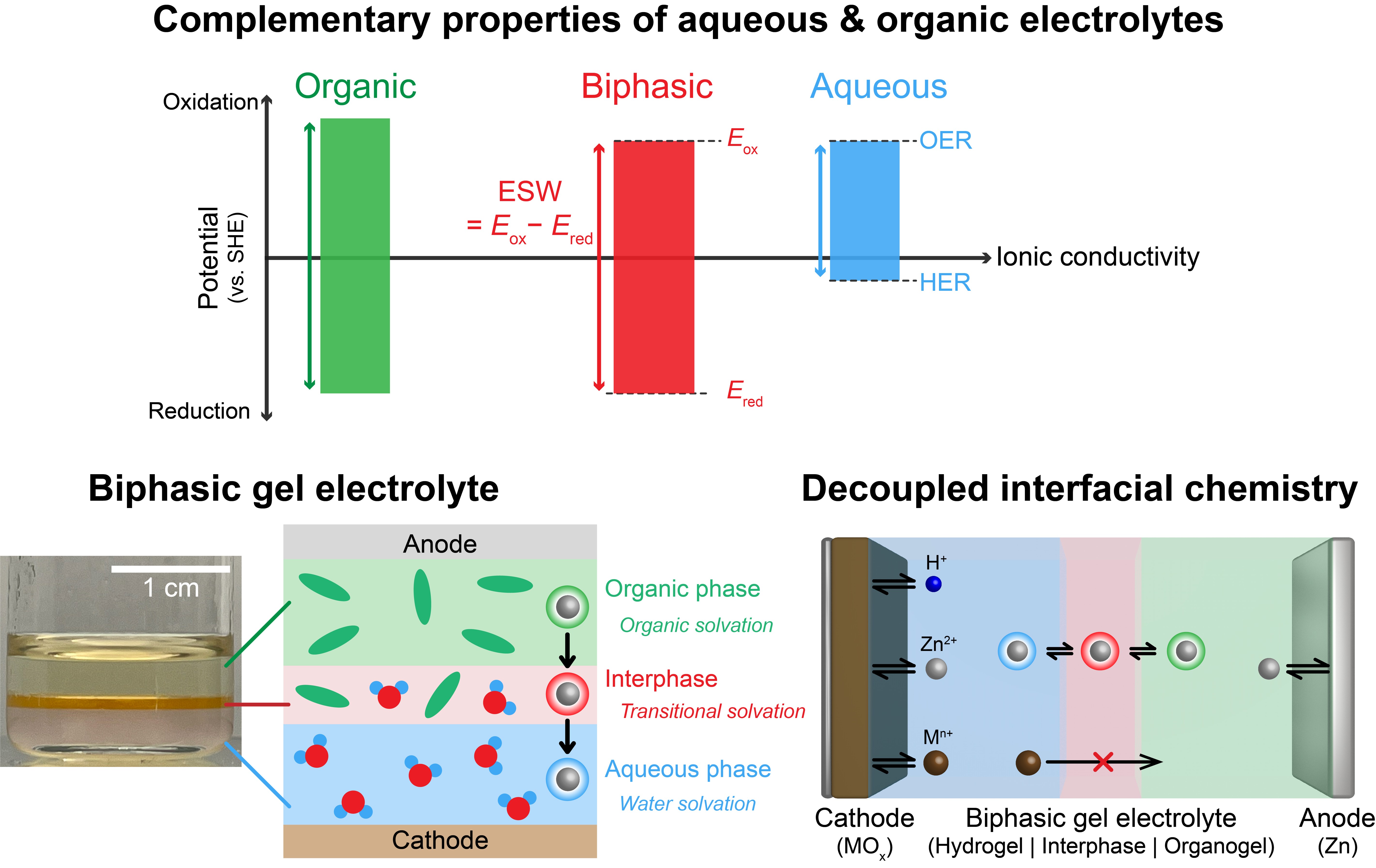
Materials Science and Engineering graduate student Tianrui (Terry) Zheng, under the supervision of Dr. Guihua Yu has published research in Advanced Materials introducing a biphasic electrolyte architecture that combines the strengths of water-based (aqueous) and organic-based electrolytes for long-duration, high-rate zinc metal batteries.
Get Better Sleep With Ultrasound Patch That Boosts REM Rest
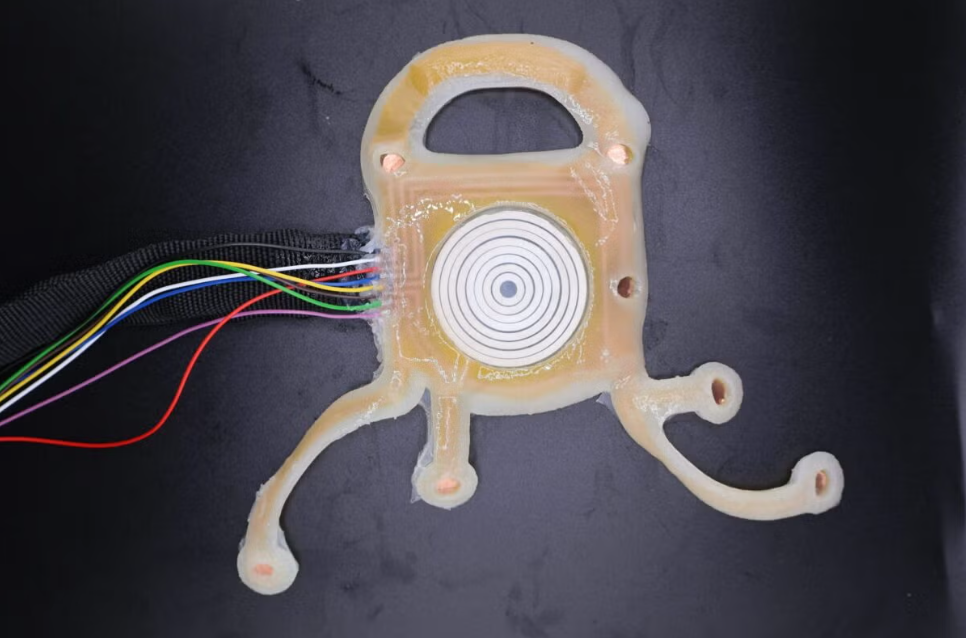
A wearable bioelectronic device increased REM sleep in real-world trials, without invasive surgery or medication.
Published by UT News.
Yuebing Zheng Awarded 'New Directions' Seed Funding from UT OVPR
Yuebing Zheng was awarded seed funding through the University's Office of the Vice President for Research, Scholarship and Creative Endeavors. The 'New Directions in Research' grants are one time payments that give faculty an opportunity to obtain proof-of-concept or pilot data for future, larger grants.
Terry Zheng Awarded UT Chevron Energy Graduate Fellowship
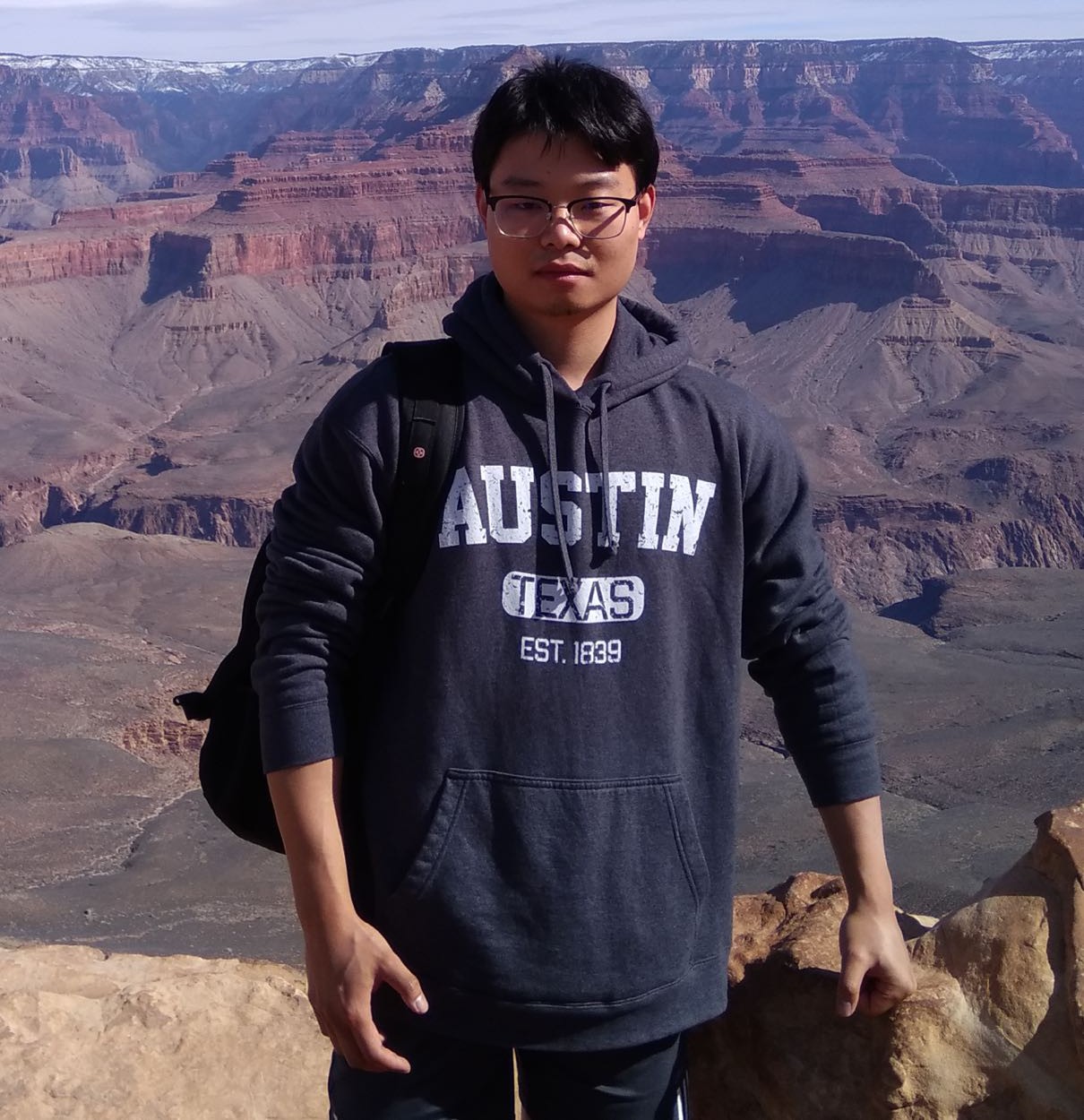
Tianrui (Terry) Zheng, a Materials Science & Engineering graduate student working with Dr. Guihua Yu, is a recipient of the 2026-2027 UT Chevron Energy Graduate Fellows Award from UT's Energy Institute.
