
Video showing students and faculty in the Materials Science and Engineering department engaged in research, lab work, and classroom activities.
Home of UT
Materials Science and
Engineering
Core Faculty
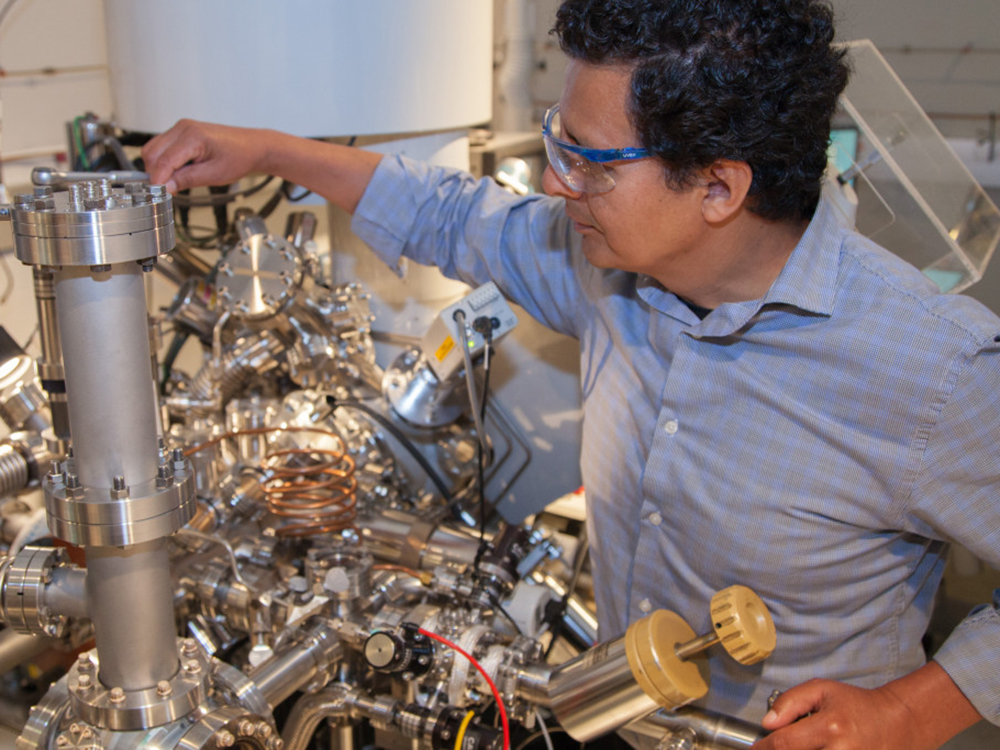
TMI's core faculty lead cutting-edge research by running their grants through the institute, fostering collaboration and resource sharing.
Learn More
Graduate Program
Our Materials Science and Engineering program is one of the best in the nation, and our graduates go on to be leaders in their fields.
Learn More
Research
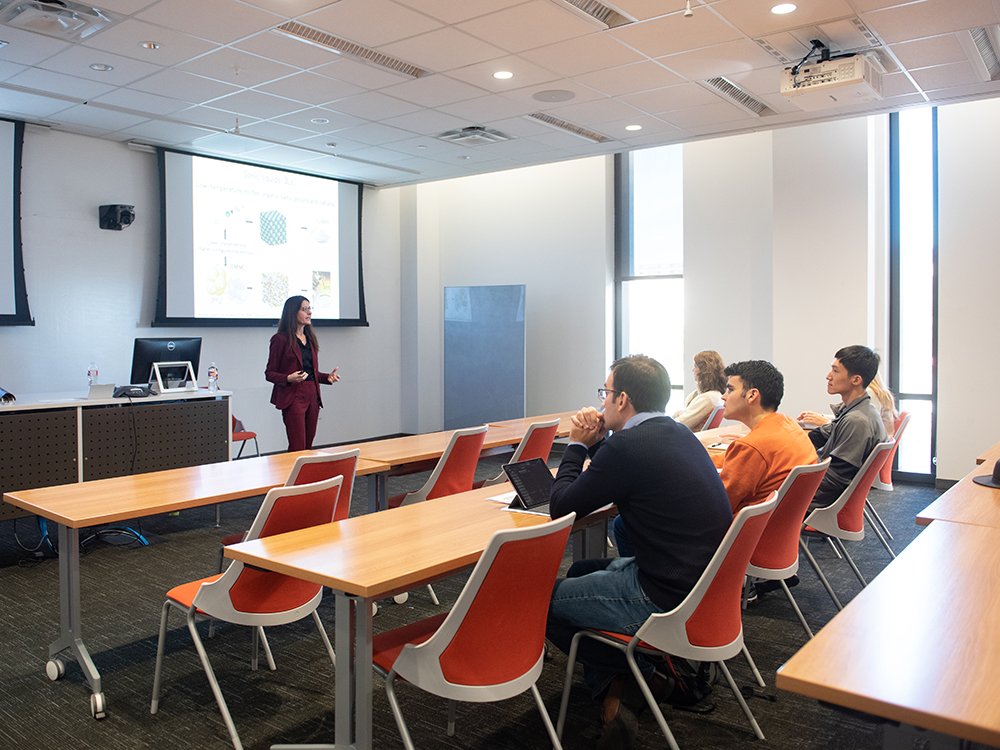
TMI supports interdisciplinary research at UT Austin, with over 100 faculty focusing on clean energy, nanotechnology, and advanced materials using our state-of-the-art facilities.
Learn More
Equipment
Instrument Capabilities
The ZEISS Axioscope 2 MAT is a materials-analysis optical microscope designed for detailed inspection, characterization, and measurement of microstructures and surfaces. The microscope combines multiple reflected- and transmitted-light contrast techniques with a digital camera and imaging software. The system is equipped with a ZEISS AxioCam 305 digital camera and ZEN imaging software, allowing users to capture and document high-quality microscopic images for qualitative inspection and quantitative analysis.
Key features:
- High-resolution optical inspection of materials, surfaces, wafers, and microfabricated structures
- ZEISS AxioCam 305 digital camera for image acquisition and documentation
- Digital image capture for analysis, measurement, and comparison of samples
- Transmitted-light microscopy/Reflected-light microscopy: Brightfield, Darkfield, Differential interference contrast (DIC), Linear and circular polarized light, Polarization contrast
- Objectives: 5X, 10X, 20X, 50X, and 100X
Fees and Policies
- UT Users: $35/hour
- Higher Education/State Agencies (Assisted): $92/hour
- Corporate/External Users (Assisted): $94/hour
- Higher Education/State Agencies (Unassisted): $64/hour
- Corporate/External Users (Unassisted): $65/hour
A cleanroom entry fee will be charged in addition to the cleanroom facility usage fee.
- UT Users $6
- Higher Education/State Agencies: $10
- Corporate/External Users: $10
Traning
Please contact Dr. Raluca Gearba and/or James Smitherman to schedule a training session.
Instrument Capabilities
The West Bond Wire Bonder (Model 7476D-79) is a manual wedge-wedge wire bonding system used to create electrical interconnections between microfabricated devices, semiconductor chips, and external packages. The system uses ultrasonic energy to bond fine metallic wires to metal contact pads, enabling reliable electrical connections for device testing and packaging. The system can bond to metal pads as small as 50 µm and can produce up to 21 bond sites before the wire is parted. The bonder accommodates aluminum and gold wires from 0.0007 to 0.002 inches (17.8–50.8 µm) in diameter using the wedge-wedge bonding technique. Aluminum wire is typically bonded at room temperature using ultrasonic energy, while gold wire bonding is performed with additional workpiece heating.
Key features:
- The system is set up for 0.00125 inch or 31.75 microns diameter aluminum wire.
- Wedge-wedge bonding of aluminum and gold wires
- Wire diameters from 0.0007 to 0.002 inches (17.8–50.8 µm)
- Current system configuration for 0.00125-inch (31.75 µm) aluminum wire
- Ability to make up to 21 bond sites before wire parting
- Ultrasonic bonding at approximately 63 kHz
- Adjustable bonding force and ultrasonic energy for process optimization
- Aluminum wire bonding at room temperature
- Heated-stage capability for thermosonic bonding of gold wire
- X-Y-Z manual micromanipulator for precise positioning of the bonding tool
- Binocular microscope for direct visualization and alignment of bond locations
- Capability to bond to small metal contact pads
- Suitable for bonding devices to packages and electrical test fixtures
Useful Documentation
Fees and Policies
- UT Users: $35/hour
- Higher Education/State Agencies (Assisted): $92/hour
- Corporate/External Users (Assisted): $94/hour
- Higher Education/State Agencies (Unassisted): $64/hour
- Corporate/External Users (Unassisted): $65/hour
A cleanroom entry fee will be charged in addition to the cleanroom facility usage fee.
- UT Users $6
- Higher Education/State Agencies: $10
- Corporate/External Users: $10
Traning
Please contact James Smitherman to schedule a training session.
Instrument Capabilities
The SUSS MA6 mask aligner is a photolithography system that provides multiple wafer-to-mask contact modes, including soft, hard, and vacuum-assisted contact. The 350 W lamp provides uniform UV illumination with computer-controlled intensity modulation for reliable and repeatable exposures.
Key features:
- Lithography feature resolution of 1 μm readily achieved
- Mask holders for 4″, 5″ and 7″ square masks
- Substrate holders for 3, 4- and 6-inch wafers
- Substrate thickness up to 0.25″ allowed
- Exposures at 365 (i-line) and 405 nm (h-line).
- Only top side alignment available
Fees and Policies
- UT Users: $35/hour
- Higher Education/State Agencies (Assisted): $92/hour
- Corporate/External Users (Assisted): $94/hour
- Higher Education/State Agencies (Unassisted): $64/hour
- Corporate/External Users (Unassisted): $65/hour
A cleanroom entry fee will be charged in addition to the cleanroom facility usage fee.
- UT Users $6
- Higher Education/State Agencies: $10
- Corporate/External Users: $10
Traning
Users should register for the required in-person training course through UTLearn.
Instrument Capabilities
The Samco RIE-1C is a semi-automatic, capacitively coupled reactive ion etching (RIE) system designed for controlled anisotropic dry etching of dielectric, passivation, semiconductor, and polymer materials. The system is particularly useful for micro- and nanofabrication processes where directional etching and controlled pattern transfer are required. Etchable materials include: Silicon dioxide (SiO₂), Silicon nitride (Si₃N₄) , Silicon oxynitride (SiON), Silicon, Polycrystalline silicon (poly-Si), Polyimide, Photoresist, other polymeric films.
Key features:
- Reaction chamber: Quartz, 212 mm dia. Allowing for processing of substrates up to 6 inches in diameter
- Distance between electrodes is fixed at 44 mm
- Upper electrode (140 mm dia.), lower electrode (180 mm dia.), support samples up to 6inch in dia
- The system is pump using a dry pump
- Anisotropic plasma etching for micro- and nanofabrication
- Parallel-plate, capacitively coupled RIE configuration
- 13.56 MHz RF excitation with up to 200 W power
- Water-cooled substrate electrode for temperature control
- Process gases: CF₄, O₂, Ar, and SF₆, providing flexibility for oxide, silicon, polymer, and photoresist etching
- Semi-automatic operation for reproducible processing
Representative Etch Rates:
- Photoresist: 300nm/min (60W, 150mTorr, 30 sccm O2)
Fees and Policies
- UT Users: $35/hour
- Higher Education/State Agencies (Assisted): $92/hour
- Corporate/External Users (Assisted): $94/hour
- Higher Education/State Agencies (Unassisted): $64/hour
- Corporate/External Users (Unassisted): $65/hour
A cleanroom entry fee will be charged in addition to the cleanroom facility usage fee.
- UT Users $6
- Higher Education/State Agencies: $10
- Corporate/External Users: $10
Traning
Users should register for the required in-person training course through UTLearn.
Texas Materials Seminar Series
The Texas Materials Seminar Series features MSE 397 Seminars, TMI Distinguished Lectureships, and TMI Special Seminars, where leading faculty and professionals from around the world share cutting-edge innovations and advancements in materials engineering with our students.
Learn More
$12M+
In Grant Funding
20+
Research Patents
10K+
Sq. Ft. of Research Labs
News
Zhantao Chen Publishes New Article on AI-assisted Tool
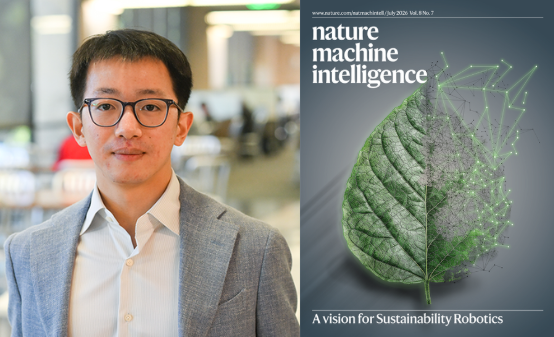
Zhantao Chen, an Assistant Professor in Mechanical Engineering and a TMI-affiliate, has published an article on an AI tool in Nature Machine Intelligence. The article used AI to help researchers in ways that would assist in experimental tasks that are often labor-intensive and tiresome.
Terry Zheng & Yu Group Publish New Work on Water-Based Electrolytes
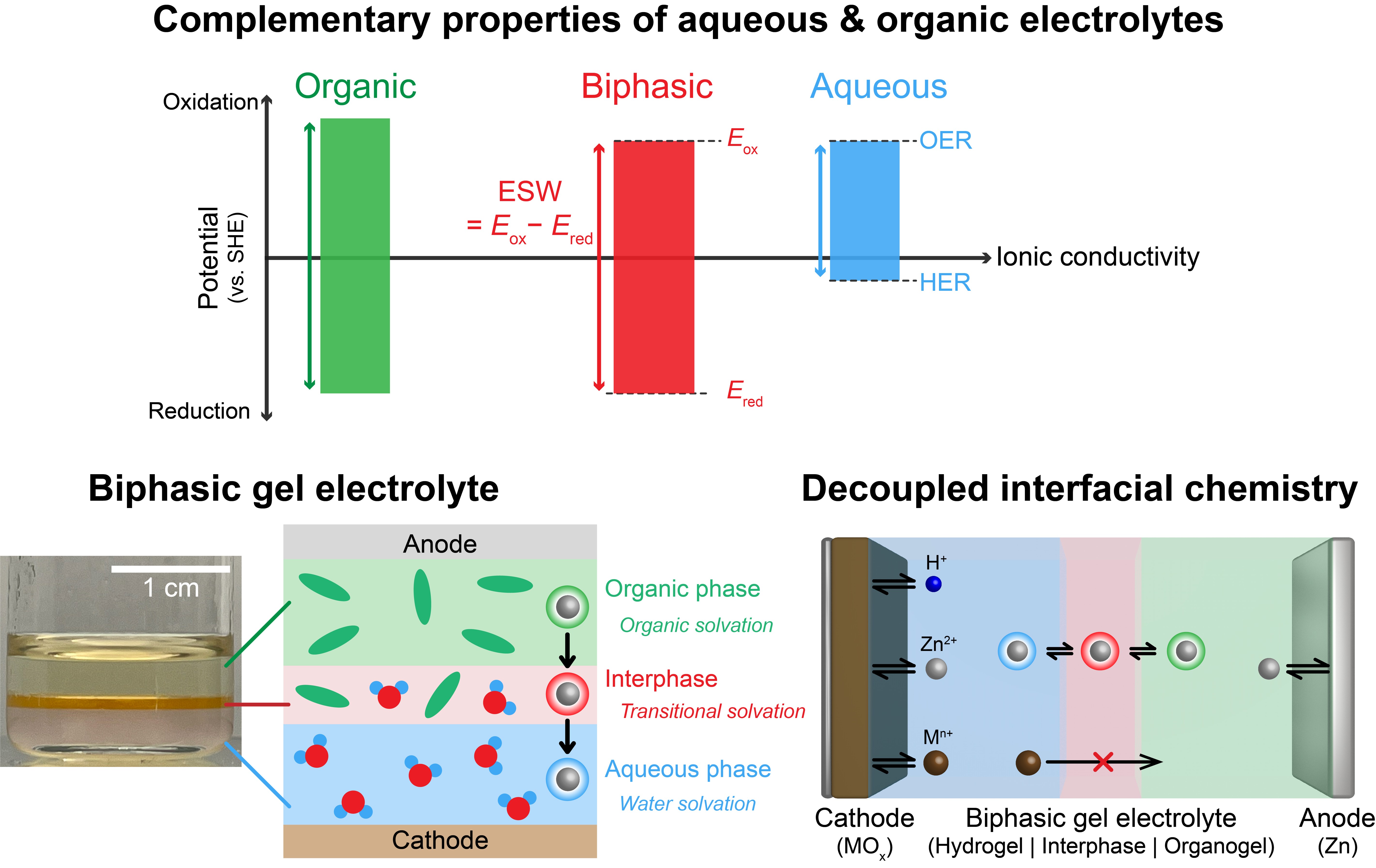
Materials Science and Engineering graduate student Tianrui (Terry) Zheng, under the supervision of Dr. Guihua Yu has published research in Advanced Materials introducing a biphasic electrolyte architecture that combines the strengths of water-based (aqueous) and organic-based electrolytes for long-duration, high-rate zinc metal batteries.
Get Better Sleep With Ultrasound Patch That Boosts REM Rest
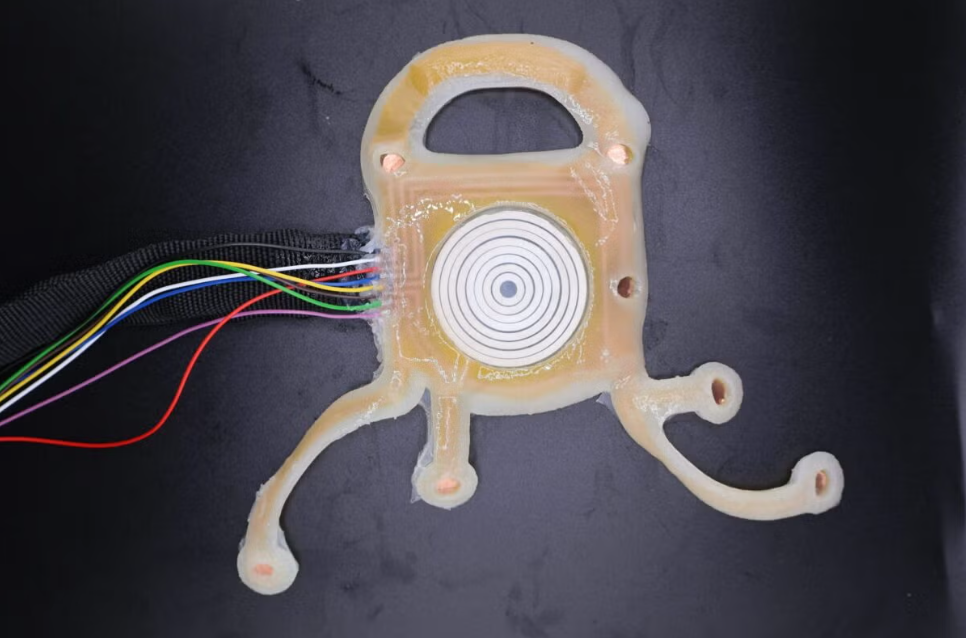
A wearable bioelectronic device increased REM sleep in real-world trials, without invasive surgery or medication.
Published by UT News.
Yuebing Zheng Awarded 'New Directions' Seed Funding from UT OVPR

Yuebing Zheng was awarded seed funding through the University's Office of the Vice President for Research, Scholarship and Creative Endeavors. The 'New Directions in Research' grants are one time payments that give faculty an opportunity to obtain proof-of-concept or pilot data for future, larger grants.
Terry Zheng Awarded UT Chevron Energy Graduate Fellowship
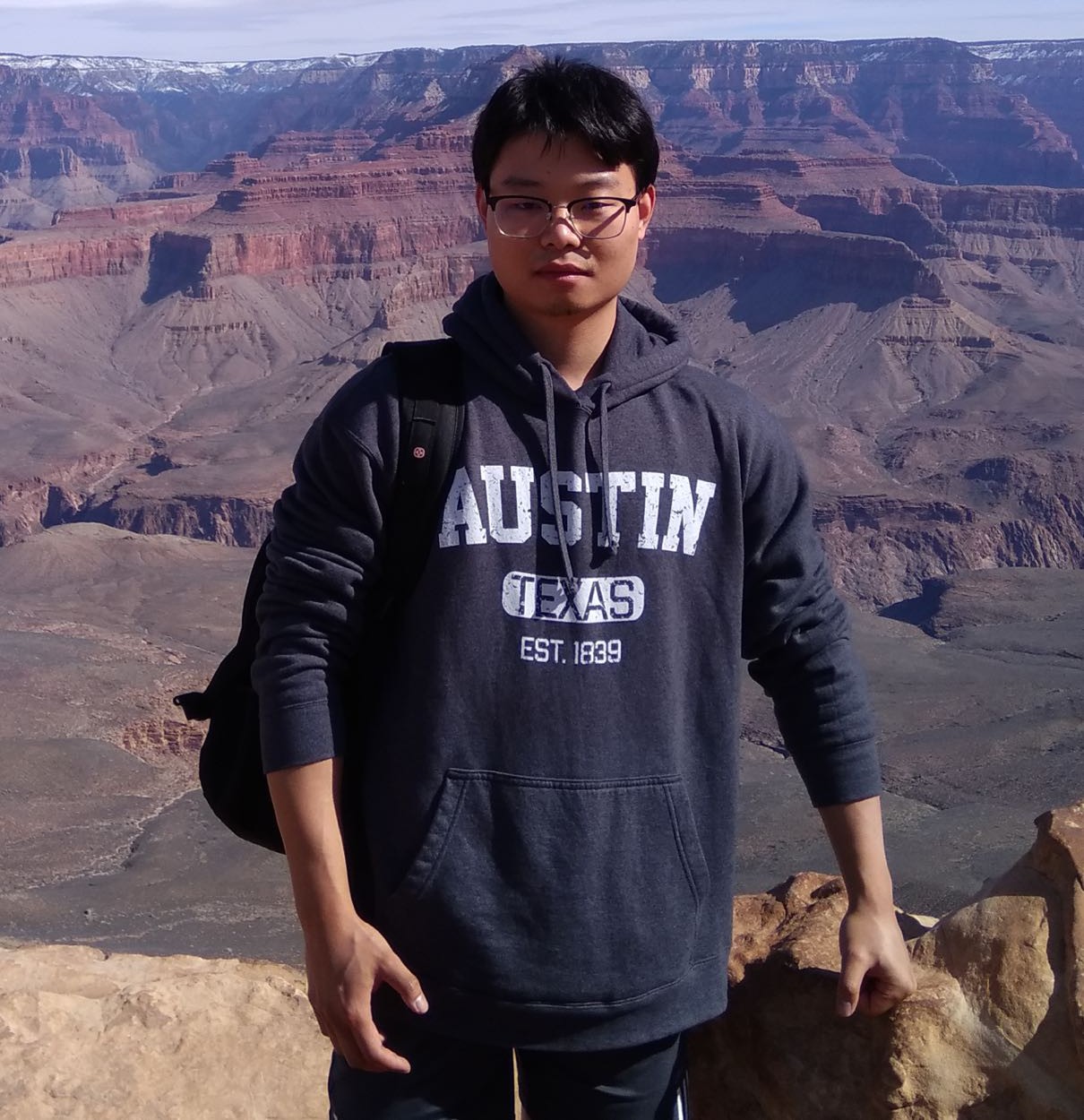
Tianrui (Terry) Zheng, a Materials Science & Engineering graduate student working with Dr. Guihua Yu, is a recipient of the 2026-2027 UT Chevron Energy Graduate Fellows Award from UT's Energy Institute.
