
Video showing students and faculty in the Materials Science and Engineering department engaged in research, lab work, and classroom activities.
Home of UT
Materials Science and
Engineering
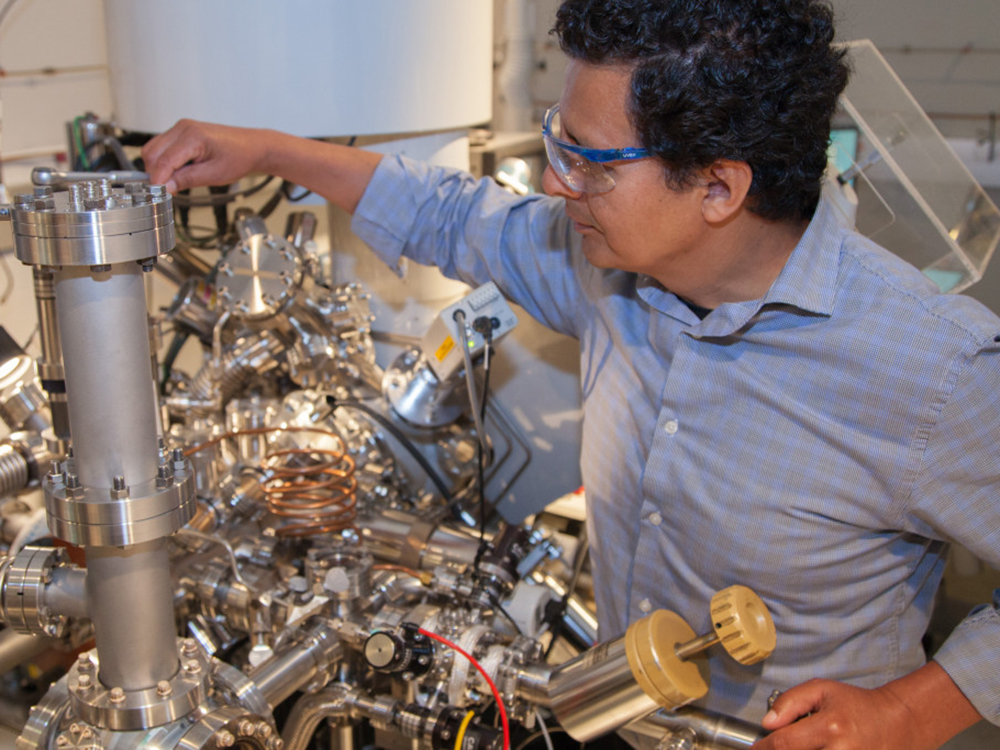
Core Faculty
TMI's core faculty lead cutting-edge research by running their grants through the institute, fostering collaboration and resource sharing.
Learn More
Graduate Program
Our Materials Science and Engineering program is one of the best in the nation, and our graduates go on to be leaders in their fields.
Learn More
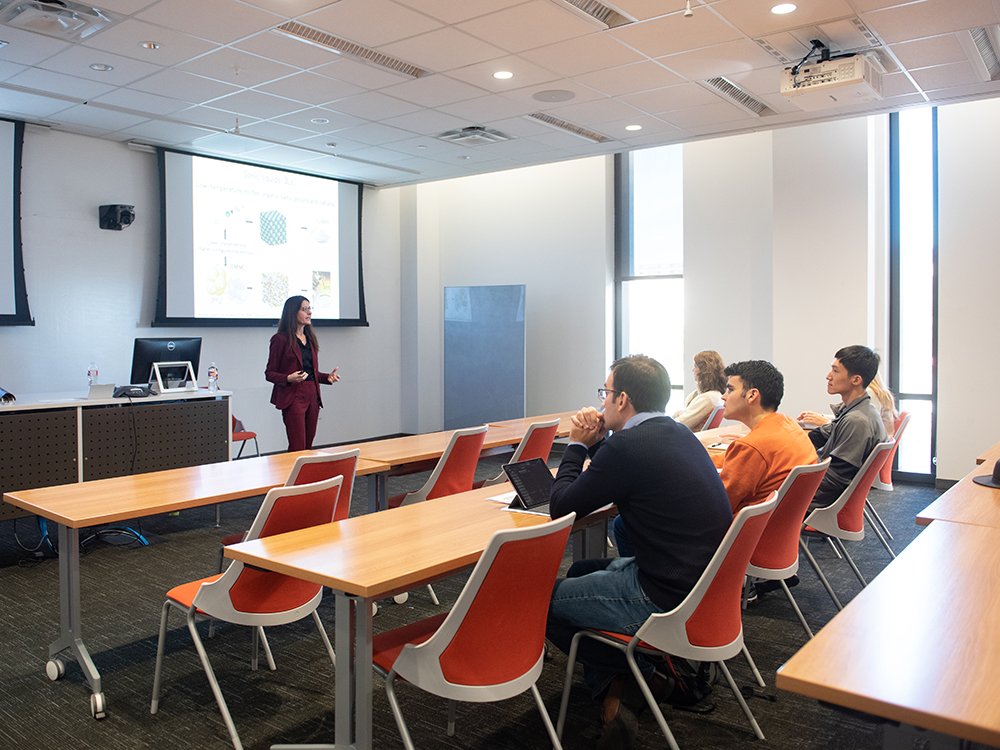
Research
TMI supports interdisciplinary research at UT Austin, with over 100 faculty focusing on clean energy, nanotechnology, and advanced materials using our state-of-the-art facilities.
Learn More
Equipment
Instrument Capabilities
The TGA/DSC 1 is a simultaneous thermal analysis instrument that combines high-sensitivity thermogravimetric analysis (TGA) with differential scanning calorimetry (DSC). Equipped with an ultra-sensitive microbalance and a thermocouple-based heat-flow sensor, the system measures both mass change and thermal events as a function of temperature in a single experiment.
Key features:
- High mass sensitivity: Microbalance with approximately 2 µg resolution across the full measurement range, enabling detection of very small weight changes.
- Automated operation: Integrated sample robot accommodates up to 32 samples for efficient, high-throughput measurements.
- Wide temperature range: Supports analyses from ambient temperature up to 1100 °C.
- Simultaneous DSC measurements: Heat-flow data are collected concurrently with weight changes using a single thermocouple sensor, allowing identification of thermal transitions such as melting, crystallization, decomposition, and oxidation.
- Controlled atmosphere capability: Standard gases include air and nitrogen. Additional gases may be available upon consultation with the facility manager.
Fees and Policies
- UT Users: $19/hour
- Higher Education/State Agencies: $58/hour
- Corporate/External Users: $57/hour
Traning
Please contact
Instrument Capabilities
The Hitachi IM4000C is an argon ion milling system which combines cross-section milling and flat milling in one instrument. It is used primarily for high-quality sample preparation for SEM, EBSD, and other surface/cross-sectional characterization. The system is connected to an argon glovebox to prepare sample cross sectional surfaces that can be air-free transferred using the Rox interface for analysis to either the XPS and/or TOFSIMS.
Key features:
- Up to 6 kV Argon ion energy.
- Sample size up to 25 mm x 50 mm.
- Stage movement of up 7 mm.
- Stage rotation during milling as well as tilting.
- Cross-sectioning using a mask.
- Maximum milling rate of 20 micron per hour for spot milling of Si.
- Maximum milling rate of 2 micron per hour for flat milling of Si for an area of 5 mm diameter.
- Maximum milling rate of 300 micron per hour for cross sections in Si.
Fees and Policies
- UT Users: $19/hour
- Higher Education/State Agencies: $58/hour
- Corporate/External Users: $57/hour
Traning
Please contact
Instrument Capabilities
The dynamic Light Scattering (DLS) is used to determines the size distribution of particles in solution, emulsion, or suspension in a non-invasive or non-destructive method. In addition, the DLS also determines surface zeta potential of materials and the molecular weight (when coupled with a SEC system).
Key features
- DLS Detection: Colloid size and distribution measurements for particles from 0.3 nm to 9 microns in a minimum volume of 12 microliters.
- Zeta Potential: For zeta potential measurements, the particle size suitable for measurements is from 3.8 nm to ~10 microns in a minimum volume of 150 microliters.
- Accessories: include an MPT-2 auto titrator for measuring zeta potential as a function of pH, conductivity, or concentration of an additive.
Fees and Policies
- UT Users: $19/hour
- Higher Education/State Agencies: $58/hour
- Corporate/External Users: $57/hour
Traning
Please contact
Instrument Capabilities
The Scios 2 HiVac system from Fisher Scientific is a dual focused ion beam/scanning electron microscopy system.
- High quality TEM sample preparation with Sidewinder HT FIB, Easylift, and AutoTEM
- High quality and throughput subsurface and 3D Characterization.
- High contrast UHR imaging with in-lense Trinity detection scheme
- User Guidance for common DualBEam activities
- Auto Slice and View 4 can is used for automated serial milling and imaging
- 30Kev EBL system with NPGS
Key Features
- Stage: 110 × 110 mm stage with 65 mm Z-travel, 360° rotation, and −15° to +90° tilt.
- Easy navigation: 6-megapixel Nav-Cam with a 160 × 105 mm field of view for on-screen sample tracking and navigation.
- Large multi-purpose sample holder:
- Six ½-inch stubs.
- Three ½-inch stubs pre-tilted at 45°.
- One horizontal row-holder slot.
- One pre-tilted row-holder slot.
- Two vertical row-holder slots.
- NICol SEM column: Equipped with a Schottky field-emission electron source.
- Accelerating voltage: 200 eV–30 keV.
- Landing energy down to approximately 20 eV using beam deceleration.
- Beam current: 1 pA–400 nA.
- Resolution: 0.8 nm at 30 keV in STEM mode.
- Resolution: 1.0 nm at 30 keV using in-lens detection.
- Resolution: 1.6 nm at 1 keV using in-lens detection.
- Low kV imaging modes:
- Beam deceleration
- Opti-plan: electrostatic lens
- Ion column:
- Ion beam voltage: 500 V–30 kV.
- Ion beam current: 1.5 pA–65 nA in 15 steps.
- Ion beam resolution: approximately 3 nm.
- Electron and ion detectors:
- Everhart–Thornley secondary electron detector (SED).
- In-lens T1 and T2 detectors.
- ICE detector for secondary electron and ion detection.
- Retractable directional backscattered-electron detector.
- Retractable STEM 3+ detector.
- Thermo Fisher Microanalysis suite: 100 mm² windowless EDS detector, WDS detector, and EBSD detector (Lumis) for elemental and crystallographic analysis.
- Gas-assisted deposition: Supports carbon and platinum deposition using both the SEM and FIB beams.
- EasyLift Nanomanipulator for TEM sample preparation. It also includes a cryo sleeve for TEM lamella preparation under cryogenic conditions.
- Cryogenic capabilities:
- Leica cryo-stage: ~ -165°C
- Leica docking station for the Leica VCT500 transfer system.
Fees and Policies
- UT Users: $60/hour
- Higher Education/State Agencies (Assisted): $248/hour
- Corporate/External Users (Assisted): $348/hour
- Higher Education/State Agencies (Unassisted): $111/hour
- Corporate/External Users (Unassisted): $172/hour
Traning
Users should register for the required in-person training course through UTLearn.
TMI: Basic training on SEM imaging and EDS mapping on the Scios Dual Beam
TMI: Fabrication and imaging of cross-sections on the Scios Dual Beam
TMI: Fabrication of cross-sectional TEM lamella on the Scios Dual Beam
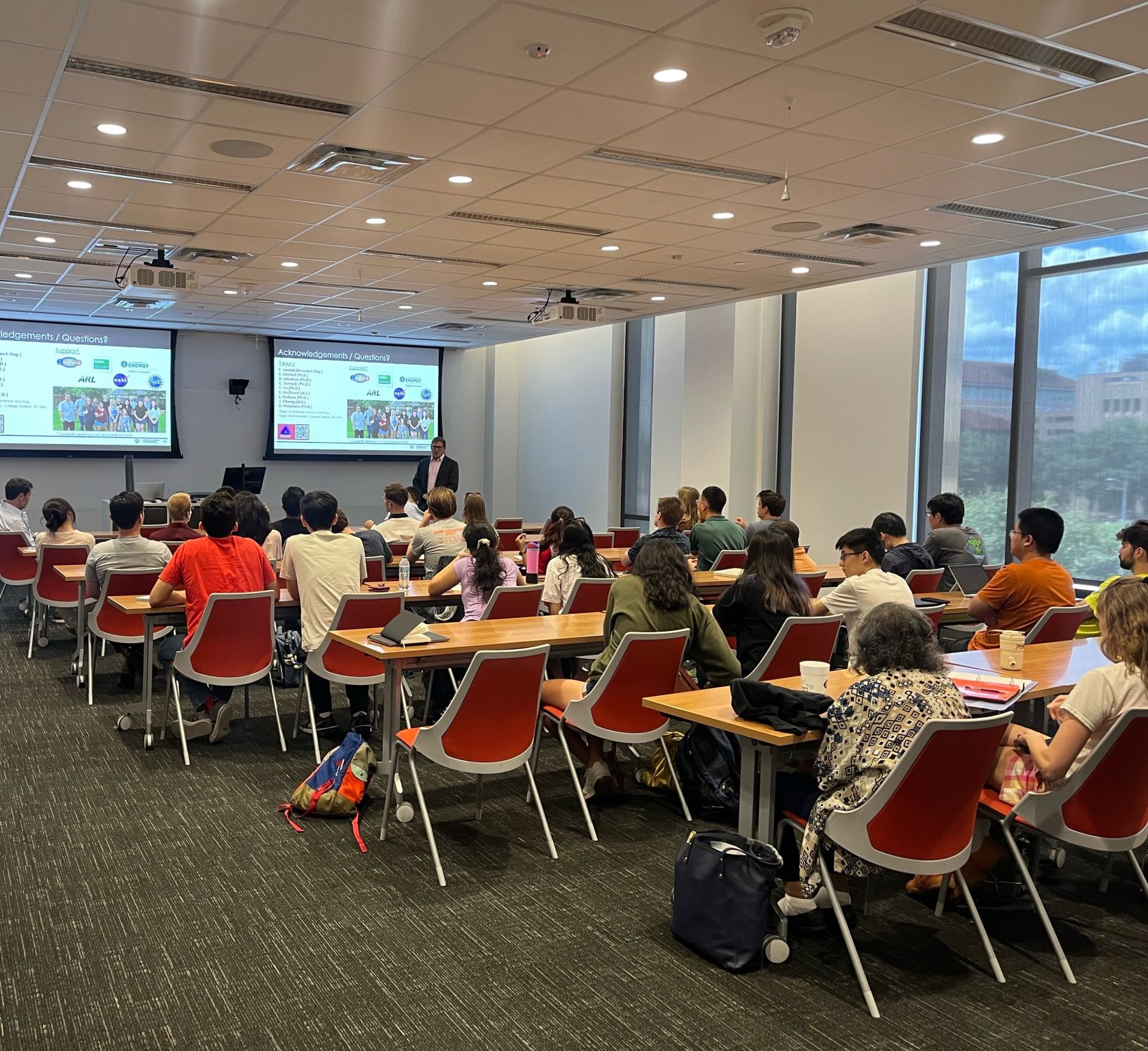
Texas Materials Seminar Series
The Texas Materials Seminar Series features MSE 397 Seminars, TMI Distinguished Lectureships, and TMI Special Seminars, where leading faculty and professionals from around the world share cutting-edge innovations and advancements in materials engineering with our students.
Learn More
$12M+
In Grant Funding
20+
Research Patents
10K+
Sq. Ft. of Research Labs
News
Zhantao Chen Publishes New Article on AI-assisted Tool
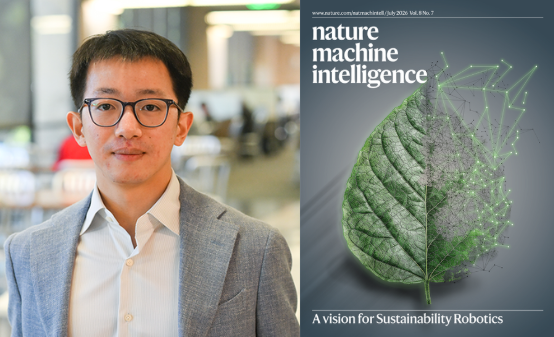
Zhantao Chen, an Assistant Professor in Mechanical Engineering and a TMI-affiliate, has published an article on an AI tool in Nature Machine Intelligence. The article used AI to help researchers in ways that would assist in experimental tasks that are often labor-intensive and tiresome.
Terry Zheng & Yu Group Publish New Work on Water-Based Electrolytes
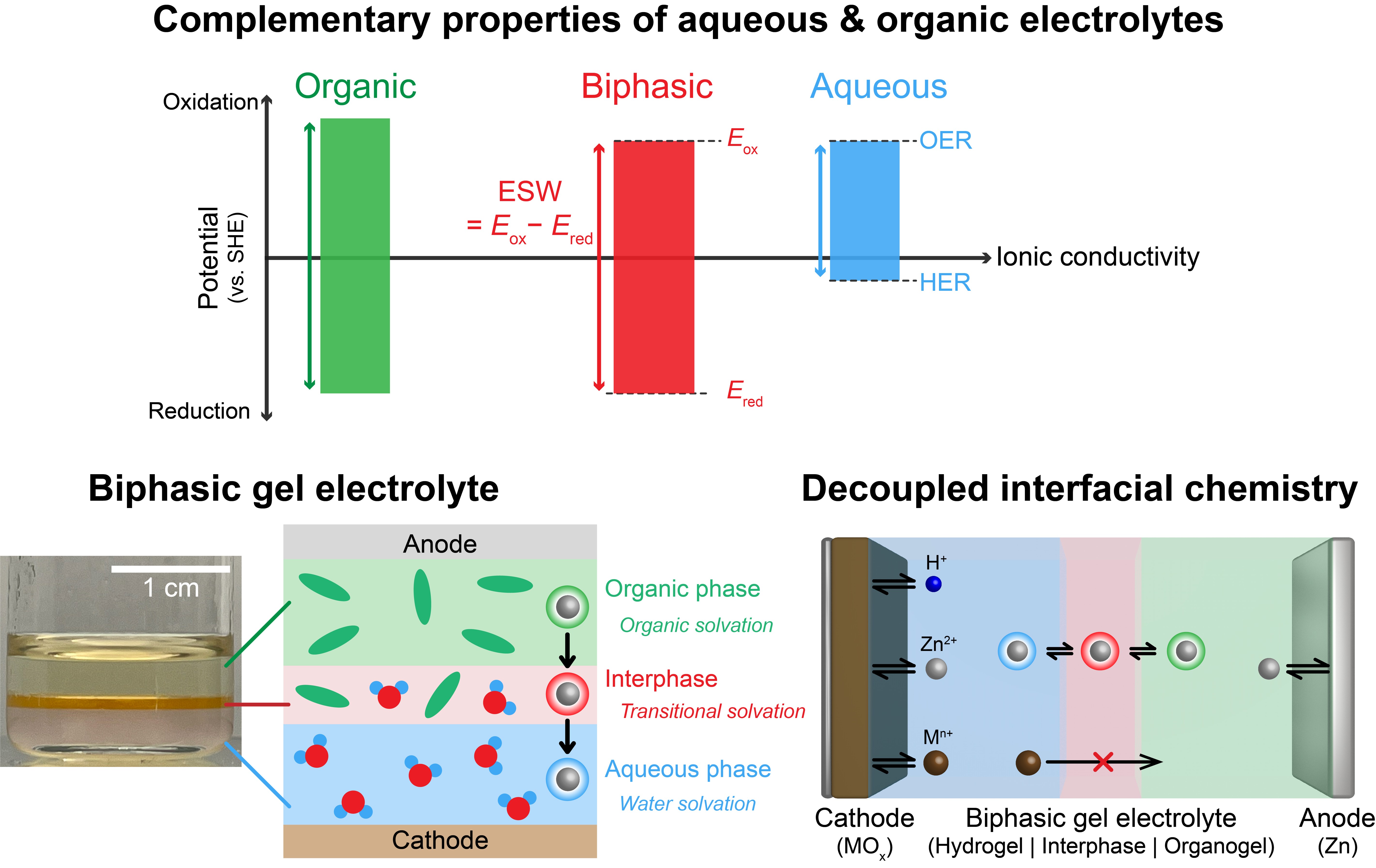
Materials Science and Engineering graduate student Tianrui (Terry) Zheng, under the supervision of Dr. Guihua Yu has published research in Advanced Materials introducing a biphasic electrolyte architecture that combines the strengths of water-based (aqueous) and organic-based electrolytes for long-duration, high-rate zinc metal batteries.
Get Better Sleep With Ultrasound Patch That Boosts REM Rest
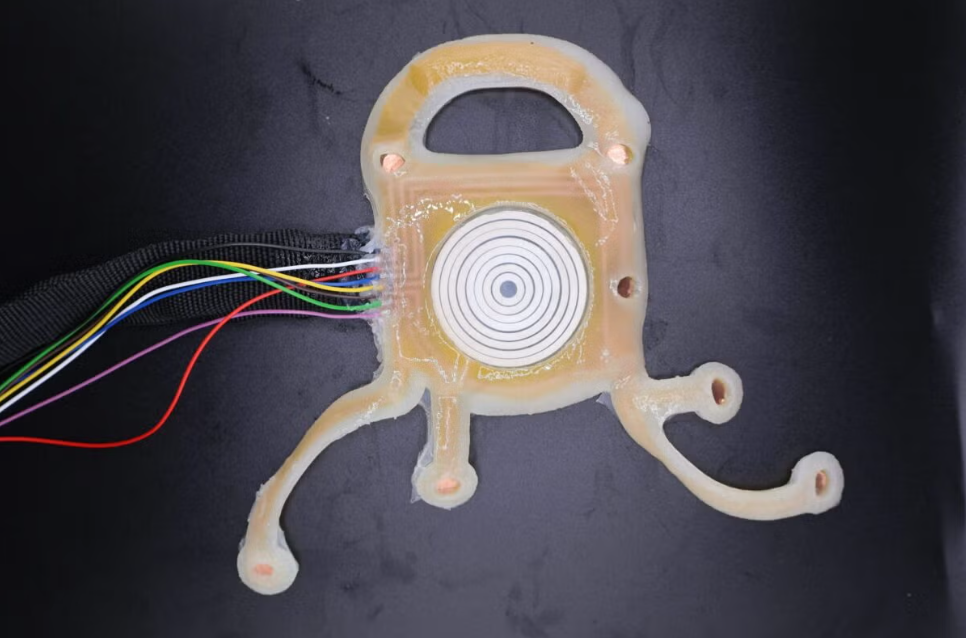
A wearable bioelectronic device increased REM sleep in real-world trials, without invasive surgery or medication.
Published by UT News.
Yuebing Zheng Awarded 'New Directions' Seed Funding from UT OVPR
Yuebing Zheng was awarded seed funding through the University's Office of the Vice President for Research, Scholarship and Creative Endeavors. The 'New Directions in Research' grants are one time payments that give faculty an opportunity to obtain proof-of-concept or pilot data for future, larger grants.
Terry Zheng Awarded UT Chevron Energy Graduate Fellowship
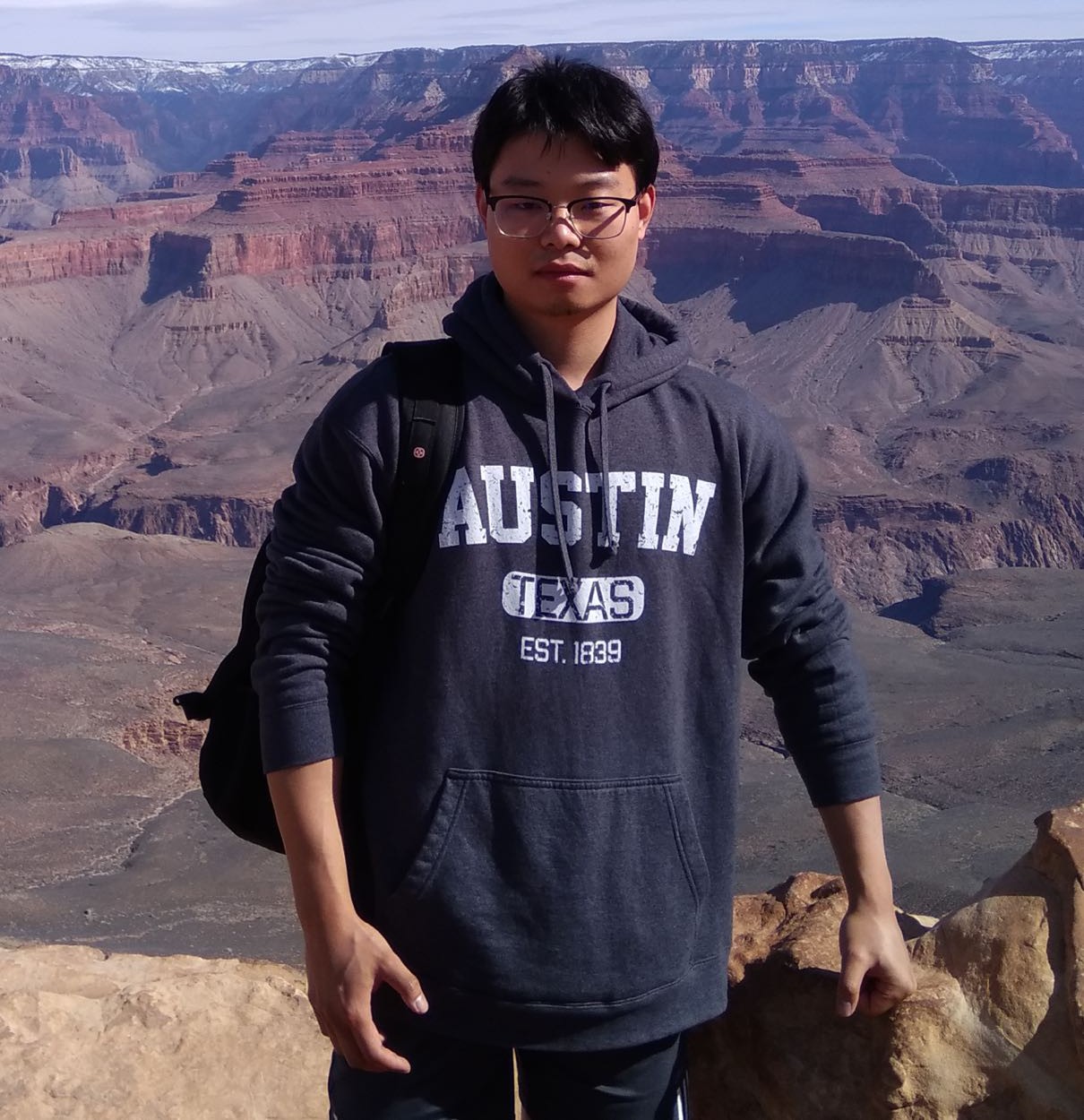
Tianrui (Terry) Zheng, a Materials Science & Engineering graduate student working with Dr. Guihua Yu, is a recipient of the 2026-2027 UT Chevron Energy Graduate Fellows Award from UT's Energy Institute.
