
Video showing students and faculty in the Materials Science and Engineering department engaged in research, lab work, and classroom activities.
Home of UT
Materials Science and
Engineering
Core Faculty
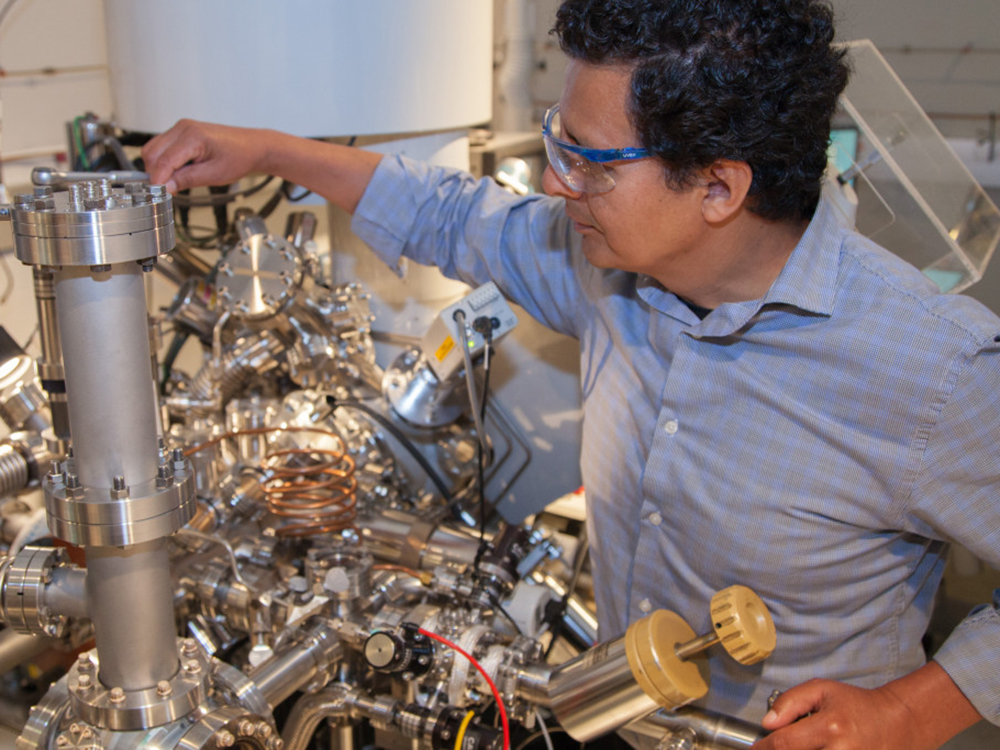
TMI's core faculty lead cutting-edge research by running their grants through the institute, fostering collaboration and resource sharing.
Learn More
Graduate Program
Our Materials Science and Engineering program is one of the best in the nation, and our graduates go on to be leaders in their fields.
Learn More
Research
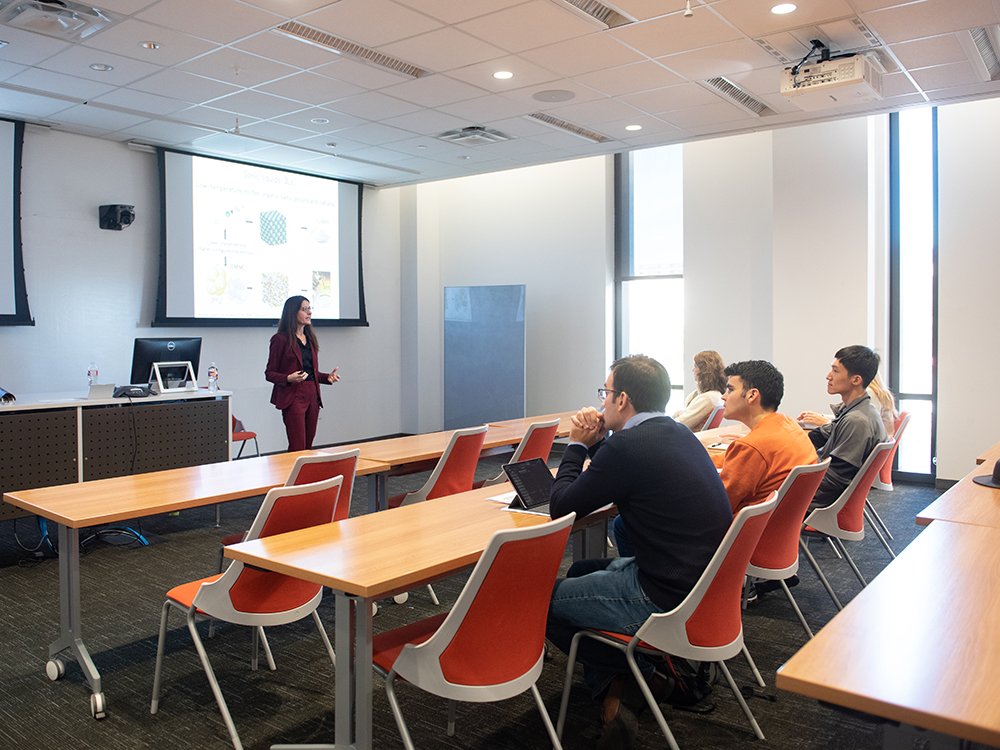
TMI supports interdisciplinary research at UT Austin, with over 100 faculty focusing on clean energy, nanotechnology, and advanced materials using our state-of-the-art facilities.
Learn More
Equipment
Instrument Capabilities
The Hitachi ZONETEM is a desktop UV-ozone sample cleaner/desiccator designed primarily for TEM and STEM specimen preparation. Its main purpose is to remove hydrocarbon contamination from TEM grids and specimen holders before electron-microscopy analysis. This reduces carbonaceous contamination during electron-beam irradiation and helps obtain cleaner, more reliable TEM/STEM images and analytical data.
Key features:
- UV-ozone cleaning technology for removing hydrocarbon contamination from TEM/STEM specimens.
- Uses 185 nm and 254 nm UV light to generate reactive oxygen/ozone.
- Adjustable cleaning time: approximately 1–30 minutes.
- Dry vacuum pump minimizes contamination from pump oil.
- Can be used as a sample-cleaning and vacuum-storage system before microscopy.
Fees and Policies
There are no user fees for this equipment.
Traning
Please contact
Information the Equipment Can Provide
Coming Soon
Fees and Policies
- UT Users: TBD/hour
- Higher Education/State Agencies: TBD/hour
- Corporate/External Users: TBD/hour
To become a new user of this facility, please read the Instrument Reservation Information page. If you are already a user you can make a reservation in FBS.
Information the Equipment Can Provide
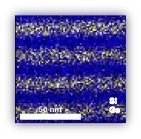
The JEOL 2010F is a high-resolution transmission electron microscope.
Key Features
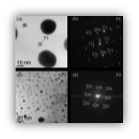
- Lattice Imaging (HRTEM)
- Elemental identification and mapping (EDXS and EELS)
- Electronic state identification and mapping (EELS)
- Magnetic and electronic field mapping (Electron Holography)
- Phase and orientation identification/mapping with 1 – 2 nm resolution (Diffraction – STEM)
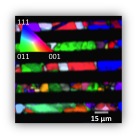
- Automated phase and orientation mapping (Precession Electron Diffraction) – similar to EBSD but with a resolution of ~ 5 nm
- In-situ heating and biasing
Specifications
- Imaging Modes: TEM/STEM
- Voltage: 120/200 KV
- Cs: 0.5 mm
- Point to Point Resolution: 0.19 nm
- Focused Probe: 0.2 nm
- Source: Schottky Field Emission
- Tilt Range: 15°
Attached Equipment
- Gatan OneView Camera with IS software
- Silicon Drift EDS Detector
- EELS Detector
- Bi-prism
- ASTAR Precession Electron Diffraction
- Double-Tilt Holder
- Protochips Heating/Biasing Holder
Fees and Policies
- UT Users: $41/hour
- Higher Education/State Agencies: $137/hour
- Corporate/External Users: $137/hour
To become a new user of this facility, please read the Instrument Reservation Information page. If you are already a user you can make a reservation in FBS.
Instrument Capabilities
Ultra-high-resolution mass spectrometry (up to 0.001 a.m.u.).
Surface and bulk chemical composition (mass range up to 14,000 a.m.u., elemental sensitivity as high as parts-per-billion and surface sensitivity of a few atomic layers).
Key Feature:
- Surface Spectroscopy:
- elemental and molecular information
- ppm to ppb elemental sensitivity
- < 1 nm surface sensitivity
- >10000 mass resolution (m/δm)
- mass range up 14000 a.m.u.
- Surface Imaging:
- lateral resolution < 100 nm
- parallel mass detection
- Depth Profiling:
- depth resolution < 1 nm
- thin films from < 1 nm to few hundreds μm
- 3D Analysis:
- high depth resolution
- high lateral resolution
- parallel mass detection
- Retrospective Data Analysis:
- complete data recording (mass, position and intensity)
- data can be revisited anytime for additional analysis without further sample analysis
- Air-free Sample Transfer Capability:
- air-free capsule available for sample transfer to and from user glove boxes
Accepted Samples: metals, semiconductors, insulators, organic or inorganic, in solid or powder (needs to be pressed) form
Available Sputtering Species:
- Analysis Species: Bi1+(30 kV), Bi3+(30 kV), Bi3++ (60 kV), C60+ (20 kV), C60++ (40 kV), C60+++ (60 kV)
- Sputtering Species: Cs+or O2+(250 V to 2 kV), C60+ (20 kV), C60++ (40 kV), C60+++ (60 kV)
The TOF-SIMS is also equipped with a set of chambers and a capsule (collectively called Rox interface) to transfer air sensitive samples from an argon (or nitrogen) filled glove box to the surface analysis chamber, which is under ultra-high vacuum (UHV). The Rox Interface was designed and developed at the Texas Materials Institute (U.S. Patent Application Serial No. 14/445,650 filed July 29, 2014). Unlike commercial interfaces, the Rox interface was designed with a unique innovation, which is that it has a built-in semi-quantitative method to monitor sample transfer reliability and validity.
Additional information on this equipment.
Fees and Policies
- UT Users: $25/hour
- Higher Education/State Agencies: $44/hour
- Corporate/External Users: $44/hour
Traning
Please contact Dr. Andrei Dolocan to schedule a training session.
Texas Materials Seminar Series
The Texas Materials Seminar Series features MSE 397 Seminars, TMI Distinguished Lectureships, and TMI Special Seminars, where leading faculty and professionals from around the world share cutting-edge innovations and advancements in materials engineering with our students.
Learn More
$12M+
In Grant Funding
20+
Research Patents
10K+
Sq. Ft. of Research Labs
News
Zhantao Chen Publishes New Article on AI-assisted Tool
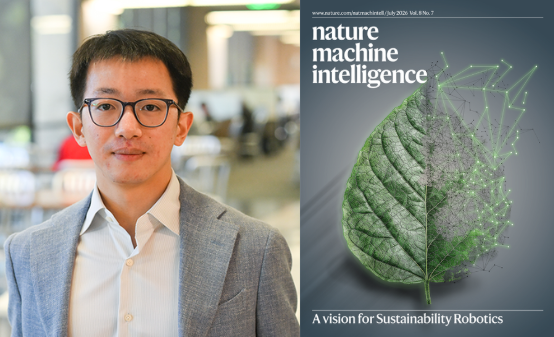
Zhantao Chen, an Assistant Professor in Mechanical Engineering and a TMI-affiliate, has published an article on an AI tool in Nature Machine Intelligence. The article used AI to help researchers in ways that would assist in experimental tasks that are often labor-intensive and tiresome.
Terry Zheng & Yu Group Publish New Work on Water-Based Electrolytes
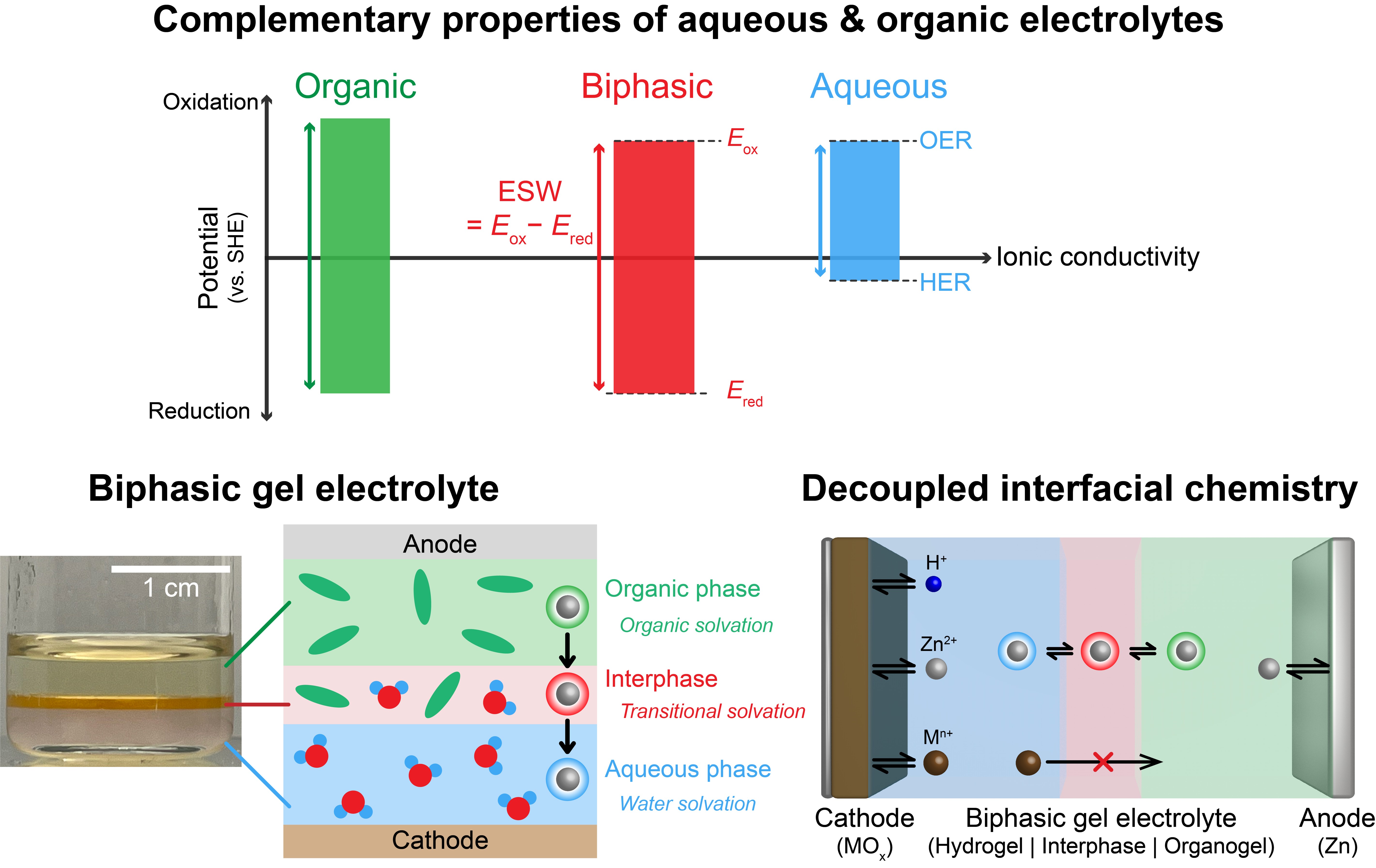
Materials Science and Engineering graduate student Tianrui (Terry) Zheng, under the supervision of Dr. Guihua Yu has published research in Advanced Materials introducing a biphasic electrolyte architecture that combines the strengths of water-based (aqueous) and organic-based electrolytes for long-duration, high-rate zinc metal batteries.
Get Better Sleep With Ultrasound Patch That Boosts REM Rest
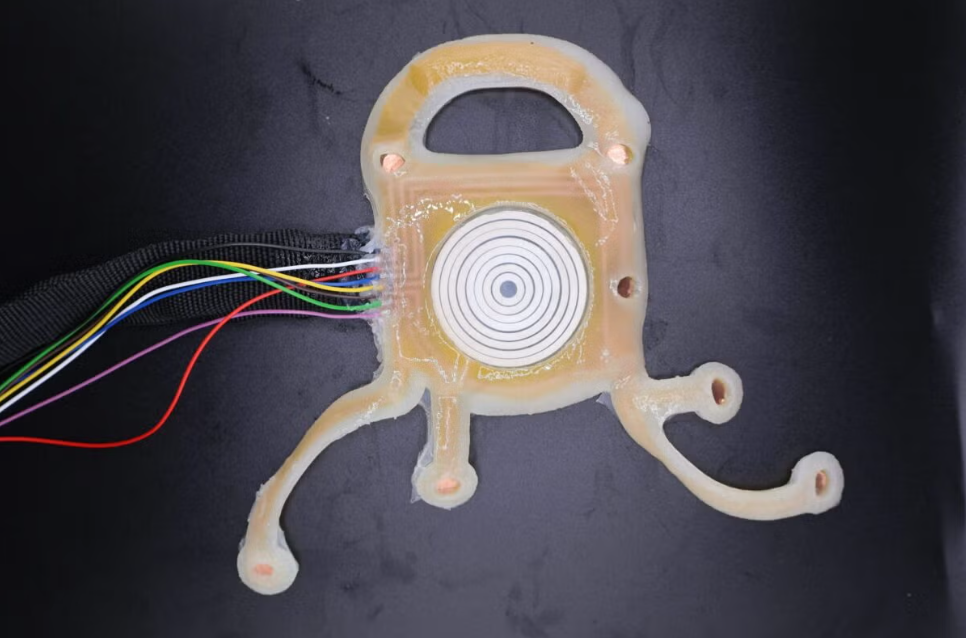
A wearable bioelectronic device increased REM sleep in real-world trials, without invasive surgery or medication.
Published by UT News.
Yuebing Zheng Awarded 'New Directions' Seed Funding from UT OVPR

Yuebing Zheng was awarded seed funding through the University's Office of the Vice President for Research, Scholarship and Creative Endeavors. The 'New Directions in Research' grants are one time payments that give faculty an opportunity to obtain proof-of-concept or pilot data for future, larger grants.
Terry Zheng Awarded UT Chevron Energy Graduate Fellowship
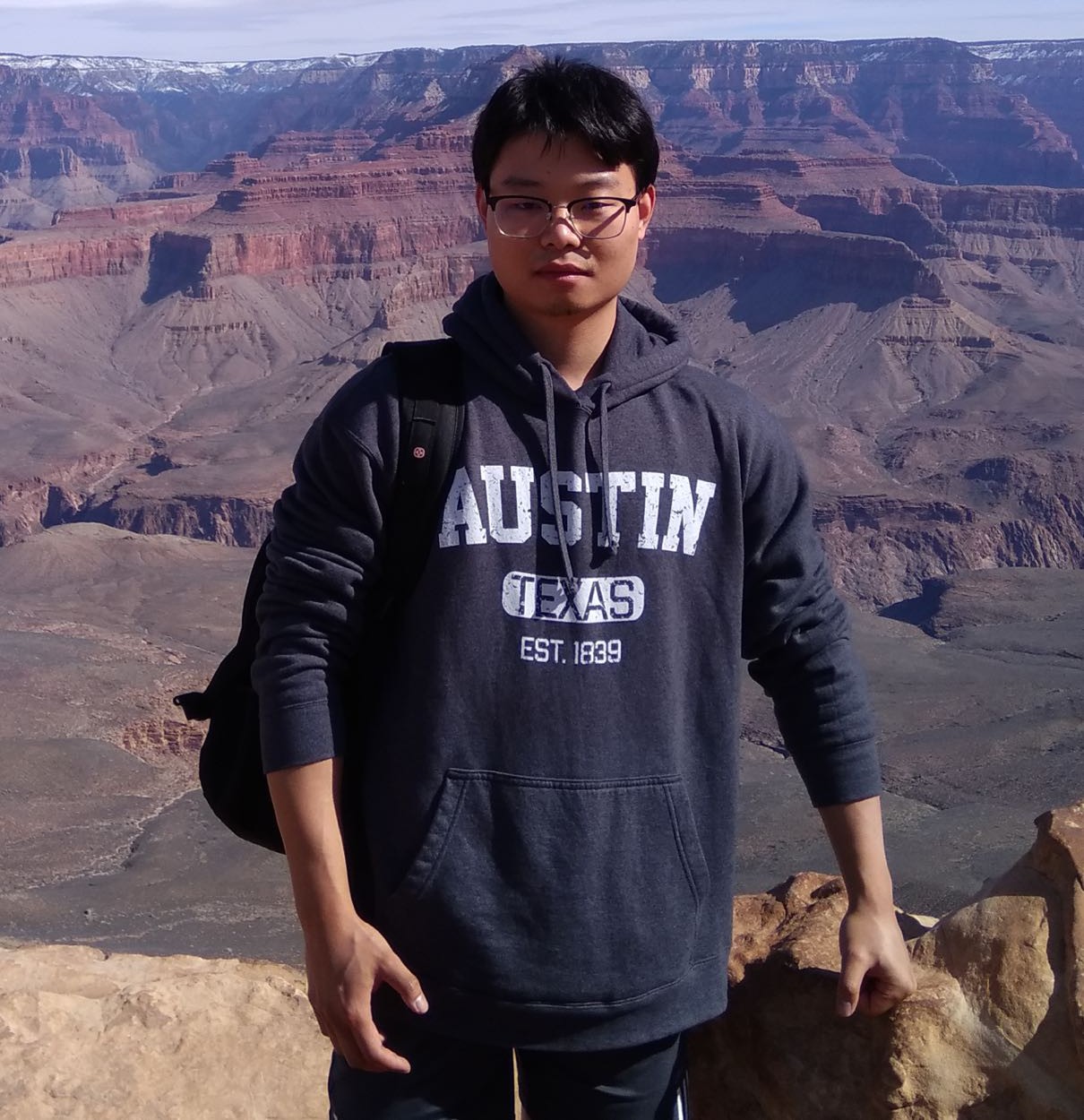
Tianrui (Terry) Zheng, a Materials Science & Engineering graduate student working with Dr. Guihua Yu, is a recipient of the 2026-2027 UT Chevron Energy Graduate Fellows Award from UT's Energy Institute.
